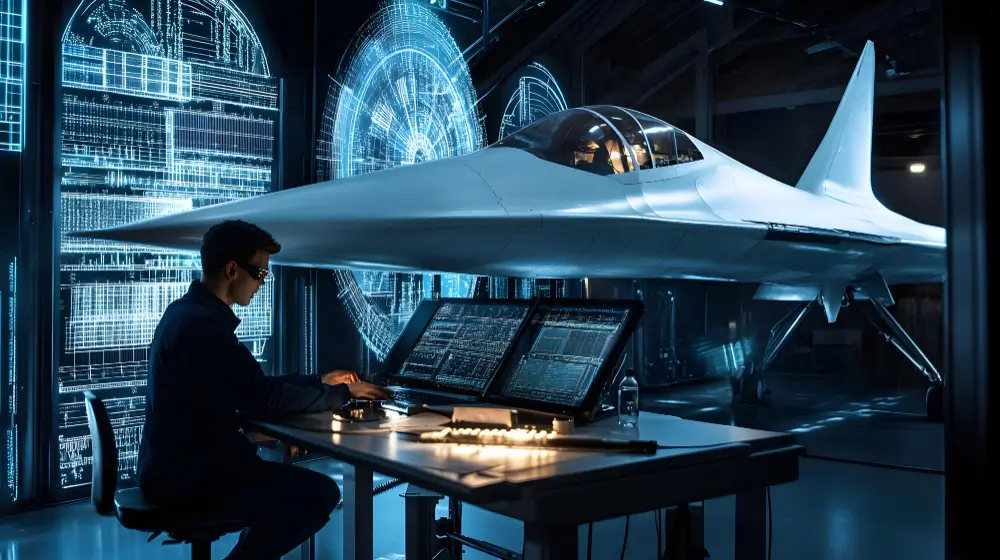
Modern air forces operate in a rapidly evolving environment where advanced technology, strategic planning, and highly skilled personnel must work together seamlessly. While aircraft systems and defense technologies continue to improve, effective workforce management remains a critical factor in maintaining operational superiority. To address these challenges, the U.S. Air Force is increasingly exploring the use of AI-driven workforce planning. By combining artificial intelligence, predictive analytics, and workforce intelligence systems, the Air Force can better understand its personnel capabilities and prepare for future mission demands. AI-powered workforce planning helps ensure that the right people with the right skills are available at the right time. Understanding Workforce Planning in the Air Force Workforce planning involves forecasting personnel needs, managing recruitment, training individuals, and assigning airmen to roles that support operational objectives. Traditionally, Air Force workforce planning has relied on factors such as: Personnel experience and qualifications Training completion records Rank and promotion history Operational requirements While these methods remain effective, modern operations generate vast amounts of workforce data that can be analyzed using advanced technologies. This is where AI-driven workforce planning systems can significantly enhance decision-making. The Role of Artificial Intelligence in Workforce Planning Artificial intelligence allows organizations to process large volumes of data and identify patterns that support better planning decisions. Within the Air Force, AI can analyze data from multiple sources, including: Training performance metrics Technical certifications Operational readiness scores Career progression data Leadership evaluations By examining these datasets, AI systems can generate insights that help leadership understand workforce strengths and future requirements. Predicting Future Workforce Needs One of the most valuable capabilities of AI-driven workforce planning is the ability to forecast future staffing needs. Predictive analytics models can analyze historical trends and operational data to anticipate challenges such as: Skill shortages in specialized roles Training capacity limitations Personnel turnover rates Emerging technology skill requirements With these insights, Air Force leadership can plan recruitment and training strategies well in advance. Improving Personnel Placement AI-driven workforce systems can also support smarter personnel assignments. By analyzing performance data and skill profiles, AI models can recommend placements that align with individual strengths and mission needs. For example: Airmen with strong analytical skills may be suited for intelligence operations. Personnel with advanced technical expertise may be placed in engineering or maintenance roles. Individuals with leadership potential may be guided toward command positions. These recommendations support commanders in making more informed personnel decisions. Enhancing Training and Skill Development Another key advantage of AI-powered workforce planning is the ability to improve training programs. By analyzing training performance data across the force, AI systems can identify: Skills that require additional training emphasis Training programs that may need improvement Emerging technical competencies required for future missions This helps ensure that airmen receive the training necessary to operate increasingly sophisticated defense systems. Supporting Leadership Development Developing effective leaders is essential for maintaining a strong Air Force. AI-driven workforce intelligence platforms can analyze performance trends and behavioral indicators to help identify individuals with strong leadership potential. These insights allow the Air Force to: Provide targeted leadership training programs Assign mentorship opportunities Prepare officers for higher levels of responsibility Early identification of leadership potential strengthens the long-term effectiveness of the Air Force leadership pipeline. Improving Mission Readiness Operational readiness depends on having the right personnel available with the necessary skills and training. AI-driven workforce planning supports readiness by: Aligning workforce capabilities with mission requirements Reducing personnel mismatches Ensuring training programs remain relevant Supporting faster decision-making in workforce management These improvements help ensure that operational units remain prepared to respond to evolving mission demands. Security and Ethical Considerations Because workforce planning systems rely on sensitive personnel data, strong security and ethical standards are essential. Air Force workforce analytics systems must ensure: Secure storage and encryption of personnel data Controlled access for authorized personnel Compliance with military data protection regulations Responsible and transparent use of AI technologies These safeguards ensure that workforce insights are used securely and responsibly. The Future of AI in Air Force Workforce Planning As artificial intelligence technologies continue to evolve, their role in workforce planning is expected to expand. Future Air Force workforce systems may include: Real-time personnel readiness dashboards AI-assisted assignment recommendation tools Predictive models for leadership development Integrated workforce analytics platforms across commands These innovations will allow the Air Force to manage its workforce more effectively while adapting to changing operational requirements. Conclusion The effectiveness of modern air operations depends not only on advanced aircraft and technology but also on how well personnel are managed and developed. AI-driven workforce planning provides powerful tools for understanding workforce capabilities, forecasting future needs, and supporting smarter personnel decisions. By leveraging artificial intelligence and workforce analytics, the U.S. Air Force can improve mission readiness, enhance leadership development, and ensure that its personnel are prepared to meet the challenges of modern defense operations.
How the U.S. Air Force Can Use Talent Optimization to Improve Mission Performance
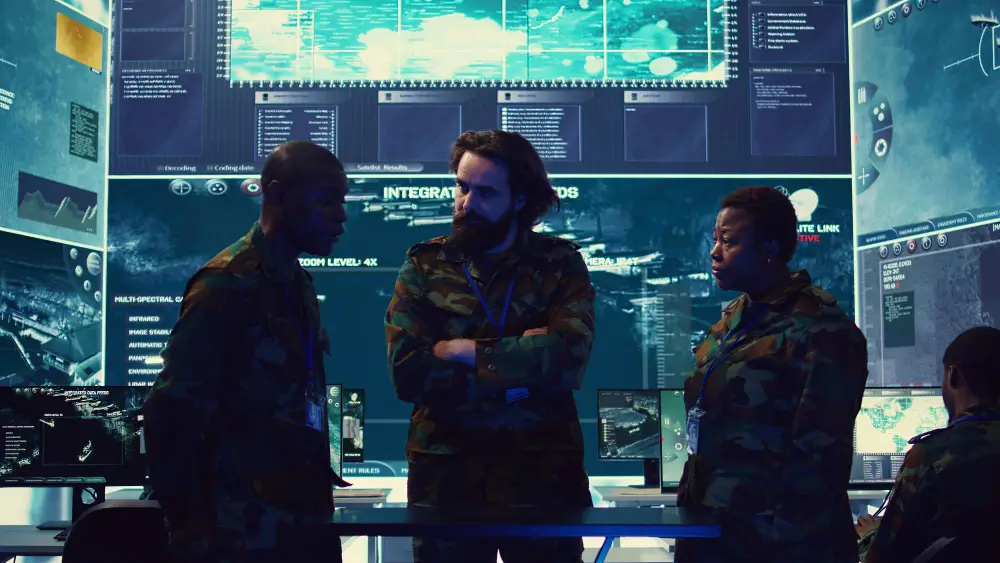
Modern air forces operate in highly complex environments where advanced technology, strategic planning, and human expertise must work together seamlessly. While aircraft systems, intelligence platforms, and defense technologies continue to evolve, the most critical factor behind mission success remains the people who operate them. To maintain operational superiority, the U.S. Air Force increasingly focuses on talent optimization—a data-driven approach to managing personnel, improving training outcomes, and aligning airmen with roles where they can perform at their highest potential. By combining analytics, artificial intelligence, and workforce intelligence, talent optimization can help the Air Force strengthen mission performance across all operational domains. Understanding Talent Optimization in the Air Force Talent optimization refers to the use of data, analytics, and performance insights to ensure that individuals are placed in roles that match their abilities, training, and potential. Traditional personnel management systems rely on factors such as: Training qualifications Operational experience Rank and seniority Command recommendations While these factors remain important, talent optimization introduces advanced analytics and workforce intelligence to provide deeper insights into individual performance and capabilities. This allows the Air Force to make more informed decisions about training, assignments, and leadership development. The Importance of Human Performance in Air Force Missions Air Force missions require a wide range of specialized skills, including: Aircraft operation and navigation Intelligence analysis Cybersecurity operations Engineering and technical maintenance Mission planning and command leadership Each of these roles demands specific cognitive abilities, technical expertise, and decision-making capabilities. Talent optimization helps ensure that airmen are assigned to roles where their strengths align with mission requirements, improving both individual and team performance. Using Data to Improve Workforce Decisions One of the core elements of talent optimization is the use of data-driven workforce analytics. By analyzing multiple sources of performance data, the Air Force can gain deeper insights into personnel capabilities. Examples of useful data sources include: Training evaluation scores Technical certification records Mission performance metrics Cognitive assessments Leadership evaluations When these insights are analyzed together, they help leadership identify patterns that support better workforce planning. AI and Workforce Intelligence in the Air Force Artificial intelligence plays a significant role in modern air force workforce intelligence systems. AI can process large volumes of personnel data and identify trends that may not be immediately visible through traditional evaluation methods. AI-powered systems can support the Air Force in several ways. Talent Identification Advanced analytics can help identify individuals with strong technical abilities, leadership potential, or specialized operational skills. Mission Role Alignment AI systems can help recommend personnel placements based on individual strengths and mission requirements. For example: Strong analytical thinking → Intelligence operations Technical expertise → Engineering or maintenance roles Strategic thinking → Mission planning and command positions Workforce Planning Predictive analytics tools can help forecast workforce needs and identify skill shortages before they impact operational readiness. Enhancing Training and Skill Development Talent optimization can also improve training programs across the Air Force. By analyzing training performance data, leadership can: Identify areas where additional training may be needed Improve training curriculum design Provide targeted skill development opportunities This ensures that airmen receive the training necessary to operate increasingly advanced military technologies. Identifying Future Air Force Leaders Leadership development is another critical component of talent optimization. Data-driven workforce insights can help identify individuals who demonstrate strong leadership traits, such as: Effective communication Strategic decision-making Adaptability in high-pressure situations Team coordination and leadership Early identification of leadership potential allows the Air Force to develop future commanders through targeted mentorship and training programs. Improving Mission Readiness Mission readiness depends heavily on how effectively personnel are trained, deployed, and managed. Talent optimization helps improve readiness by: Aligning personnel skills with operational roles Reducing workforce mismatches Improving team performance Supporting faster decision-making When airmen are placed in roles that match their strengths, operational units become more efficient and capable. Data Security and Ethical Considerations Because workforce analytics systems rely on sensitive personnel information, maintaining strong security and ethical standards is essential. Air Force workforce intelligence systems must ensure: Secure data storage and encryption Restricted access to authorized personnel Compliance with military data protection policies Responsible use of personnel analytics These safeguards ensure that workforce insights are used responsibly and securely. The Future of Talent Optimization in the Air Force As artificial intelligence and data analytics technologies continue to evolve, the role of talent optimization in the Air Force is expected to grow. Future workforce systems may include: AI-assisted personnel assignment tools Real-time performance monitoring dashboards Predictive leadership development models Advanced analytics for mission readiness These technologies will help the Air Force better understand its workforce and build stronger, more capable teams. Conclusion Mission success in modern air operations depends not only on advanced technology but also on the effective management of human talent. By leveraging talent optimization, workforce analytics, and AI-driven insights, the U.S. Air Force can enhance personnel placement, improve training programs, and strengthen leadership development. As these data-driven systems continue to evolve, talent optimization will play a key role in improving mission performance and ensuring that the Air Force remains prepared for the challenges of modern defense operations.
Improving Decision-Making and Leadership Development in the Navy Using Talent Data
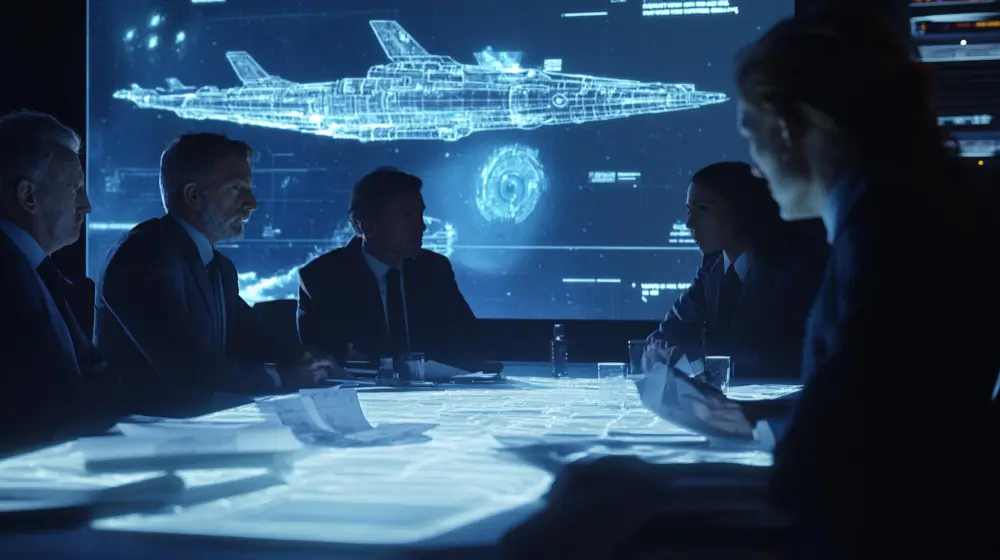
Modern naval operations require leaders who can make fast, accurate decisions in complex and high-pressure environments. From managing advanced naval systems to coordinating teams during critical missions, strong leadership is essential for operational success. As naval forces adopt more advanced technologies, talent data and workforce analytics are becoming powerful tools that help improve leadership development and decision-making within the Navy. By analyzing performance data, training outcomes, and behavioral indicators, naval organizations can gain deeper insights into their personnel and support more effective leadership strategies. The Importance of Decision-Making in Naval Operations Naval officers and leaders are often required to make critical decisions that can affect mission outcomes, operational safety, and team performance. These decisions may involve: Tactical planning during naval operations Managing complex technical systems Coordinating multi-unit missions Responding to rapidly changing operational conditions Strong decision-making skills are therefore essential for effective naval leadership. However, identifying and developing these leadership qualities requires accurate insights into how individuals perform in different situations. What Is Talent Data in Military Workforce Systems? Talent data refers to information collected about personnel skills, training performance, behavioral traits, and leadership potential. In the Navy, talent data may include insights from: Training performance scores Operational evaluations Cognitive assessments Leadership exercises Team collaboration metrics By analyzing this data, naval leadership can gain a clearer understanding of how individuals perform under pressure and how they interact within teams. Using Talent Data to Improve Leadership Development Leadership development is one of the most important responsibilities within naval organizations. Talent data allows training institutions and commanders to identify potential leaders earlier in their careers. By studying performance patterns and behavioral indicators, talent analytics systems can help highlight individuals who demonstrate strong leadership traits such as: Effective communication Situational awareness Strategic thinking Team coordination Stress management These insights help ensure that leadership training programs focus on individuals with strong potential for command roles. Supporting Better Decision-Making with Data Insights One of the most valuable benefits of talent analytics is the ability to support better decision-making within naval leadership structures. Data-driven insights can help commanders evaluate: Individual performance trends over time Strengths and weaknesses within teams Leadership readiness among officers Training outcomes across different units This information helps leaders make more informed decisions regarding personnel assignments, promotions, and training priorities. Enhancing Training Programs with Talent Intelligence Talent data can also improve naval training programs by identifying areas where personnel may require additional support or development. For example, analytics systems may reveal patterns such as: Skill gaps in specific operational areas Training modules that require improvement Leadership competencies that need further development By addressing these insights, training institutions can design programs that better prepare officers and sailors for operational challenges. Identifying Future Naval Leaders Another advantage of talent data is the ability to identify future leaders within the naval workforce. Advanced analytics systems can evaluate behavioral and performance indicators to determine which individuals demonstrate strong leadership potential. This process allows naval organizations to: Develop targeted leadership programs Provide mentorship opportunities Assign leadership responsibilities gradually Prepare officers for higher command roles Early identification of leadership potential helps ensure that naval forces maintain a strong pipeline of capable leaders. Improving Team Coordination and Unit Performance Leadership effectiveness is closely linked to team performance. Talent analytics systems can help naval organizations better understand how individuals interact within teams. By analyzing behavioral and collaboration data, commanders can gain insights into: Team communication patterns Leadership influence within units Conflict resolution abilities Overall team cohesion These insights help leaders build stronger, more effective operational teams. Maintaining Data Security and Ethical Standards Because talent analytics relies on sensitive personnel information, maintaining strict security and ethical standards is essential. Naval organizations implementing talent data systems must ensure: Secure storage and encryption of personnel data Restricted access to authorized personnel only Compliance with military data protection policies Responsible and transparent use of analytics tools These safeguards help ensure that workforce data is used responsibly and securely. The Future of Talent Data in Naval Leadership As artificial intelligence and workforce analytics technologies continue to evolve, the role of talent data in naval leadership development is expected to expand. Future workforce systems may include: AI-assisted leadership assessment platforms Real-time performance monitoring dashboards Predictive models for leadership readiness Advanced analytics for team performance optimization These technologies will help naval forces better understand their personnel and develop leaders capable of navigating increasingly complex operational environments. Conclusion Effective leadership is essential for successful naval operations. By leveraging talent data and workforce analytics, naval organizations can gain valuable insights into personnel capabilities and leadership potential. These data-driven systems help support better decision-making, improve leadership development programs, and strengthen overall team performance. As analytics technologies continue to advance, talent data will play an increasingly important role in shaping the future of leadership within the modern naval force.

AI and Workforce Intelligence in the Modern Naval Force
Modern naval forces operate in highly complex environments where success depends not only on advanced ships and technology but also on the capabilities of the people who operate them. From navigation and engineering to cyber operations and intelligence analysis, the Navy relies on highly skilled personnel working together across diverse roles. As naval operations become more technology-driven, managing the workforce effectively has become increasingly important. This is where AI and workforce intelligence are beginning to transform how naval organizations recruit, train, assign, and develop their personnel. By combining artificial intelligence with advanced data analytics, naval forces can gain deeper insights into workforce capabilities and improve operational effectiveness. Understanding Workforce Intelligence in the Navy Workforce intelligence refers to the use of data and analytics to better understand the skills, performance, and potential of personnel within an organization. In the context of the Navy, workforce intelligence systems analyze information related to: Training records Performance evaluations Technical certifications Operational experience Leadership assessments By analyzing this data, naval leadership can gain a clearer understanding of how personnel perform in different roles and environments. This information helps support better workforce planning and personnel management decisions. The Role of Artificial Intelligence in Naval Workforce Systems Artificial intelligence plays an important role in modern naval workforce intelligence platforms. AI systems can process large volumes of personnel data and identify patterns that may not be visible through traditional analysis methods. AI technologies can support workforce management in several key ways. Talent Identification AI systems can analyze training performance and operational data to identify individuals with strong technical abilities, leadership potential, or specialized skills. Role Alignment Using workforce intelligence insights, AI systems can help recommend personnel placements that align with individual strengths and operational requirements. For example: Strong analytical ability → Intelligence operations Technical expertise → Engineering systems Strong situational awareness → Navigation or tactical roles These insights help improve workforce efficiency and operational readiness. Workforce Planning AI-powered analytics can help naval leadership forecast future workforce needs by analyzing recruitment trends, training outcomes, and operational demands. This allows naval organizations to prepare for future mission requirements and ensure that the right skills are available when needed. Improving Operational Readiness Through Data Operational readiness depends heavily on how well personnel are trained and deployed. With AI-driven workforce intelligence, naval commanders can gain real-time insights into: Skill distribution across units Training progress and certification status Personnel readiness levels Leadership development indicators These insights allow commanders to make more informed decisions when assigning personnel to missions or operational teams. Supporting Leadership Development Another important benefit of workforce intelligence is the ability to identify future leaders within the naval workforce. By analyzing performance patterns and behavioral indicators, AI systems can help highlight individuals who demonstrate strong leadership potential. This can support leadership development programs by: Identifying promising candidates early Providing targeted leadership training Supporting long-term career development Developing capable leaders is essential for maintaining effective naval operations. Enhancing Training and Skill Development AI-powered workforce systems can also support more effective training programs. By analyzing training performance data, naval training institutions can: Identify skill gaps within the workforce Adjust training programs to address emerging operational needs Provide personalized learning opportunities for sailors This helps ensure that naval personnel remain prepared to operate increasingly advanced technologies and systems. Data Security and Ethical Considerations Because workforce intelligence systems rely on sensitive personnel data, maintaining strong security and ethical standards is essential. Naval organizations implementing these systems must ensure: Secure data storage and encryption Strict access controls for authorized personnel Compliance with military data protection policies Responsible use of personnel analytics These safeguards help maintain trust and protect sensitive information. The Future of AI in Naval Workforce Management As artificial intelligence continues to evolve, its role in naval workforce management is expected to expand. Future workforce intelligence systems may include: Real-time personnel readiness dashboards AI-assisted personnel assignment tools Predictive models for leadership development Integrated analytics across naval commands and units These innovations will help naval forces build more capable, adaptable, and mission-ready teams. Conclusion The success of modern naval operations depends on both advanced technology and highly capable personnel. By integrating AI and workforce intelligence, naval organizations can gain deeper insights into their workforce and improve how personnel are trained, assigned, and developed. These data-driven systems provide valuable support for commanders, helping ensure that the right people are placed in the right roles while maintaining strong operational readiness. As artificial intelligence and analytics technologies continue to advance, AI-powered workforce intelligence will play an increasingly important role in shaping the future of the modern naval force.
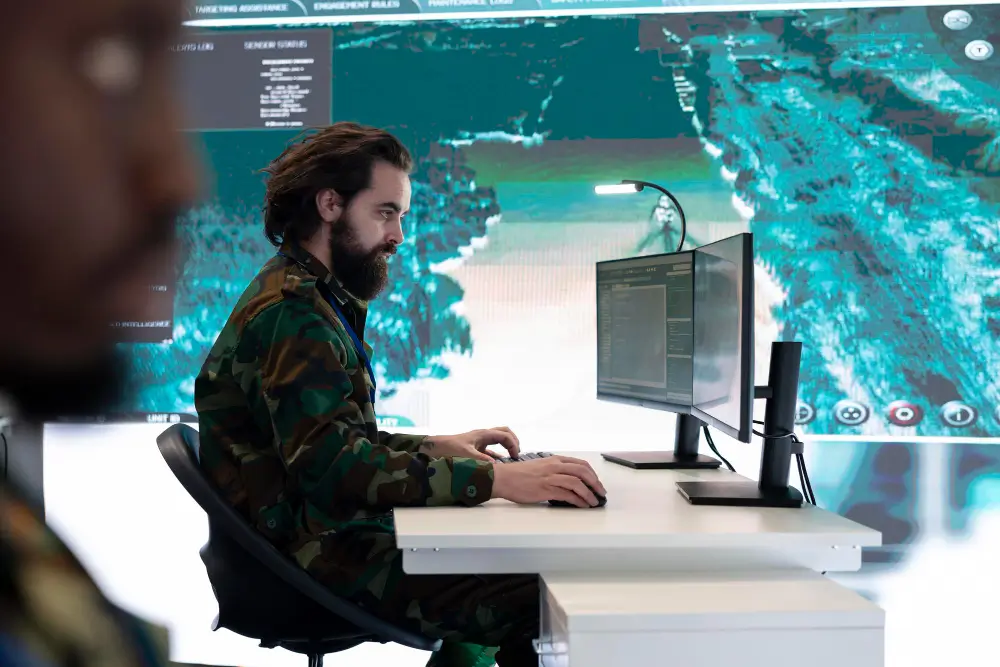
Using Predictive Analytics to Optimize Navy Personnel Placement
Modern naval operations require highly skilled personnel working in coordinated teams across complex technological environments. From navigation and engineering to intelligence and combat operations, every role within the Navy demands specific skills, training, and decision-making capabilities. Traditionally, personnel placement within naval forces has relied on experience, training records, and command assessments. While these methods remain valuable, advances in predictive analytics now offer new ways to improve how sailors are assigned to roles and operational units. By analyzing performance data, behavioral indicators, and training outcomes, predictive analytics can help support smarter and more effective Navy personnel placement decisions. The Challenge of Personnel Placement in the Navy Naval operations depend heavily on team coordination, specialized expertise, and operational readiness. Assigning the right individual to the right position is critical for mission success. However, traditional placement methods often rely on limited data points such as: Training qualifications Past assignments Supervisor evaluations Seniority or rank While these factors remain important, they may not always capture deeper insights into a sailor’s abilities, cognitive strengths, or adaptability under pressure. Predictive analytics provides an additional layer of insight that can help improve navy workforce planning and personnel alignment. What Is Predictive Analytics in Military Workforce Management? Predictive analytics uses advanced data analysis and machine learning models to forecast future outcomes based on historical and real-time data. In the context of naval workforce management, predictive analytics can analyze data such as: Training performance metrics Operational readiness scores Cognitive testing results Behavioral assessments Team collaboration indicators By identifying patterns within this data, predictive models can help forecast how personnel may perform in specific roles or operational environments. Improving Navy Personnel Placement Through Data One of the most valuable applications of predictive analytics is optimizing personnel placement. By analyzing multiple data sources, analytics platforms can help identify which sailors may perform best in certain operational roles. Examples include: High technical aptitude → Engineering or technical systems roles Strong situational awareness → Navigation or tactical operations Strong analytical ability → Intelligence and surveillance roles High leadership indicators → Command or team leadership positions This approach supports a data-informed placement process that complements traditional command judgment. Benefits of Predictive Workforce Insights for the Navy Integrating predictive analytics into naval workforce systems can offer several operational benefits. Improved Operational Readiness When sailors are placed in roles aligned with their strengths, units become more efficient and better prepared for missions. Better Utilization of Skills Predictive analytics helps identify specialized talents that may not always be visible through traditional evaluation systems. Faster Training Adaptation Training programs can be adjusted based on predictive insights, allowing sailors to develop skills required for specific roles more efficiently. Reduced Personnel Mismatch Misalignment between personnel capabilities and assigned roles can affect operational performance. Predictive insights help reduce such mismatches. Supporting Command Decisions with Analytics It is important to emphasize that predictive analytics does not replace military leadership or command authority. Instead, analytics systems function as decision-support tools that provide additional insights to commanders. Commanders still make the final decisions regarding: Personnel assignments Promotions Operational deployment Analytics simply helps provide better information for informed decision-making. Monitoring Performance and Career Development Predictive analytics systems can also support long-term career development for naval personnel. By tracking performance trends over time, the Navy can better understand how individuals develop across different assignments. This can support: Leadership identification Specialized career path planning Training program improvements Workforce readiness monitoring Over time, these insights can help build stronger and more capable naval teams. The Role of Data Security and Ethics Because military personnel data is sensitive, any predictive analytics system must operate within strict security and privacy frameworks. Key considerations include: Secure data storage and encryption Controlled access for authorized personnel only Compliance with military data governance policies Ethical use of performance data These safeguards ensure that workforce analytics remains both effective and responsible. The Future of Navy Workforce Optimization As artificial intelligence and data analytics technologies continue to evolve, naval organizations may increasingly use predictive insights to enhance workforce management. Future workforce systems could include: AI-assisted personnel assignment tools Real-time performance monitoring dashboards Predictive models for leadership development Data-driven training optimization platforms These innovations can help ensure naval forces remain adaptable, efficient, and prepared for the demands of modern maritime operations. Conclusion Effective personnel placement is one of the most important factors in maintaining a capable and mission-ready naval force. While traditional placement methods provide valuable insights, predictive analytics offers a powerful new approach to workforce optimization. By analyzing training data, performance metrics, and behavioral indicators, predictive analytics can help support smarter placement decisions and improve operational effectiveness across naval units. As data-driven technologies continue to evolve, predictive analytics will likely play an increasingly important role in optimizing Navy personnel placement and strengthening mission readiness.
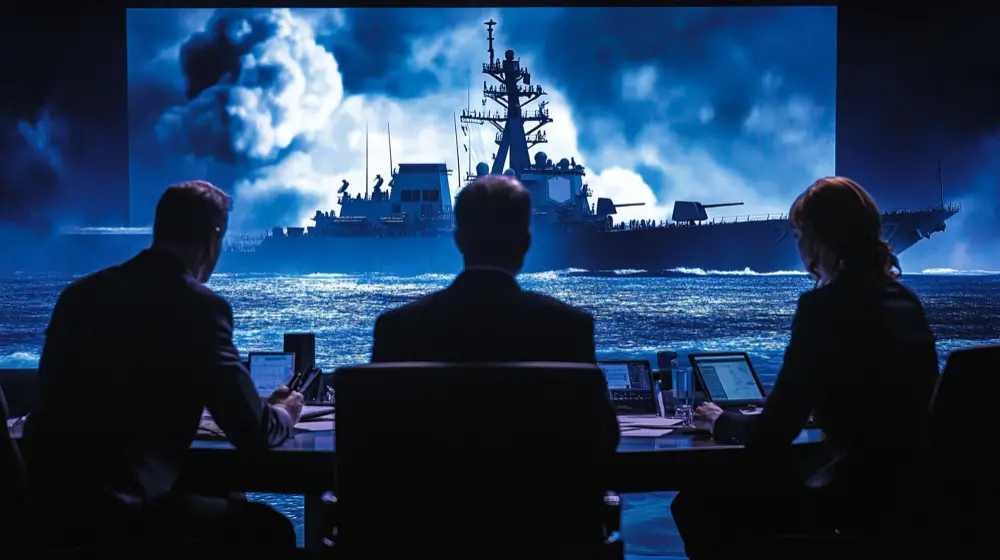
How Talent Optimization Can Improve Operational Readiness in the U.S. Navy
Operational readiness is a critical priority for modern naval forces. With increasingly complex missions, advanced technologies, and global operational demands, the ability to effectively manage and deploy personnel has become essential. Today, navy talent management is evolving through the use of advanced analytics, artificial intelligence, and data-driven workforce strategies. These innovations help ensure that the right personnel are placed in the right roles to maximize mission readiness and operational efficiency. Understanding Navy Talent Management Navy talent management refers to the systems and strategies used to recruit, train, develop, and assign naval personnel. Traditionally, personnel decisions relied heavily on experience, evaluations, and command recommendations. While these methods remain valuable, modern workforce systems are increasingly incorporating data-driven insights to improve decision-making. By analyzing skills, performance data, and training outcomes, naval leadership can better understand the capabilities of their workforce. Effective talent management ensures that sailors are deployed in roles where they can contribute most effectively to operational success. The Importance of Navy Workforce Optimization Modern naval operations require highly specialized skills across a wide range of roles, from technical operations and navigation to cybersecurity and leadership positions. Navy workforce optimization focuses on improving how personnel are allocated and managed across these roles. Workforce optimization can help: Match sailors with positions aligned with their skills Improve training efficiency and career development Strengthen team performance within operational units Ensure mission-critical roles are filled with qualified personnel By optimizing workforce deployment, the Navy can maintain higher levels of readiness across its fleets and operational commands. Using Military Readiness Analytics Another important element of modern naval workforce management is military readiness analytics. This approach uses data analysis to assess and monitor the readiness levels of personnel and units. Readiness analytics may include insights related to: Training completion rates Physical readiness and performance Technical skill proficiency Operational experience Leadership capability By analyzing these factors, naval leaders can gain a clearer understanding of the readiness status of their personnel and identify areas that may require additional training or support. The Role of Defense Talent Systems Advanced defense talent systems are helping military organizations modernize how they manage personnel data. These systems integrate information from multiple sources to create a comprehensive view of workforce capabilities. Defense talent systems can support: Strategic Workforce Planning Leadership can identify future staffing needs and plan recruitment or training programs accordingly. Skill Identification Advanced analytics can highlight specialized skills within the workforce that may otherwise go unnoticed. Leadership Development Talent intelligence platforms can help identify individuals with strong leadership potential. Personnel Deployment Commanders can make better-informed decisions when assigning sailors to missions or operational units. Benefits of Talent Optimization in the Navy Implementing modern navy talent management strategies supported by analytics and AI can provide significant advantages. Improved Operational Readiness When personnel are matched to roles that align with their strengths, naval units operate more efficiently. Better Workforce Utilization Talent optimization ensures that specialized skills are fully utilized across the force. Faster Personnel Decisions Data-driven insights allow leadership to make quicker and more informed decisions about assignments and promotions. Enhanced Career Development Sailors benefit from clearer career pathways and better opportunities for professional growth. Challenges in Implementing Data-Driven Workforce Systems While talent optimization provides many benefits, implementing advanced workforce systems also presents challenges. Some key considerations include: Integrating data from multiple personnel systems Ensuring data accuracy and consistency Protecting sensitive personnel information Training leadership to interpret and use analytics insights effectively Addressing these challenges is essential for successfully implementing modern talent management solutions. The Future of Navy Workforce Management As technology continues to evolve, navy workforce optimization will become increasingly data-driven and predictive. Emerging technologies such as artificial intelligence, machine learning, and advanced analytics will allow the Navy to better understand workforce capabilities and future operational needs. Future developments may include: AI-driven personnel placement systems Predictive analytics for workforce planning Integrated performance monitoring platforms Data-driven leadership development programs These innovations will help ensure that naval forces remain prepared to meet the challenges of modern defense operations. Conclusion Modern naval operations require a workforce that is skilled, adaptable, and mission-ready. By leveraging navy talent management, navy workforce optimization, military readiness analytics, and advanced defense talent systems, the U.S. Navy can enhance operational readiness and improve workforce effectiveness. Data-driven talent optimization enables naval leaders to deploy personnel more strategically, strengthen leadership development, and ensure that operational units remain prepared for the demands of modern maritime missions.
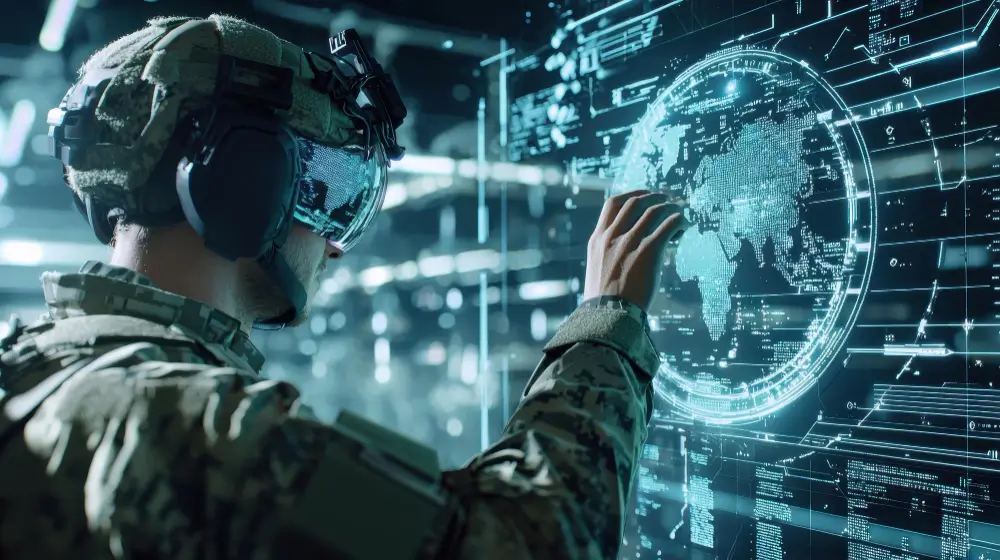
The Future of Army Workforce Management with AI and Human Performance Analytics
Modern military operations require highly capable personnel who can adapt quickly to complex and rapidly changing environments. Managing a large and diverse military workforce has always been a challenge, especially when trying to match soldiers with roles that best utilize their skills and abilities. Today, advances in artificial intelligence and data analytics are transforming army workforce management by providing new ways to understand, evaluate, and optimize human performance across the force. Understanding Army Workforce Management Army workforce management refers to the systems and strategies used to recruit, train, assign, and develop military personnel. Traditionally, workforce management relied heavily on manual processes, performance evaluations, and leadership assessments. While these methods remain important, they may not fully capture the complex factors that influence soldier performance. Modern workforce strategies now incorporate data-driven technologies to improve personnel decisions and overall operational effectiveness. With the help of advanced analytics tools, military leaders can gain deeper insights into workforce capabilities and readiness. The Role of AI in the Military Workforce Artificial intelligence is playing an increasingly important role in shaping the future of the AI military workforce. AI-powered systems can process large volumes of workforce data and identify patterns that would be difficult to detect through traditional analysis. AI technologies can support workforce management in several ways: Smart Personnel Placement AI can analyze skills, training records, and performance data to recommend optimal role assignments. Predictive Workforce Planning Machine learning models can forecast future workforce needs and identify potential skill shortages. Performance Forecasting AI systems can evaluate past performance data to predict how soldiers might perform in specific roles or missions. Career Development Insights AI-driven tools can help identify leadership potential and guide career development pathways. By leveraging these capabilities, military organizations can improve decision-making and optimize how personnel are deployed. Human Performance Analytics in the Military A key component of modern workforce management is human performance analytics in the military. This approach involves analyzing data related to physical fitness, cognitive performance, behavioral patterns, and training outcomes. Human performance analytics helps the Army better understand how soldiers perform under different conditions and what factors influence their effectiveness. Important performance indicators may include: Physical readiness and endurance Cognitive decision-making ability Stress resilience and recovery Training performance and skill acquisition Leadership and teamwork capabilities By analyzing these indicators, military leaders can gain a comprehensive understanding of individual and team performance. Defense Workforce Optimization Through Data Combining AI with performance analytics enables defense workforce optimization, a strategy that focuses on improving the effectiveness of military personnel through better data insights. Defense workforce optimization can support: Better Talent Deployment Assigning soldiers to roles that align with their strengths improves operational performance. Improved Training Programs Data insights help identify training gaps and develop targeted programs to enhance skills. Stronger Leadership Development Analytics can highlight individuals with strong leadership potential and support their growth. Increased Operational Readiness Optimized workforce planning ensures units are prepared to respond to mission demands. The Benefits of AI-Driven Workforce Management The integration of AI and performance analytics into army workforce management provides several important benefits. Faster and More Accurate Decision-Making AI systems analyze large datasets quickly, allowing leadership to make informed personnel decisions. Improved Workforce Utilization Data insights help ensure that soldiers’ skills and talents are fully utilized. Enhanced Mission Readiness Optimized workforce planning improves the ability of military units to respond effectively to operational challenges. Long-Term Career Development Analytics-driven insights can support better career planning and leadership development throughout a soldier’s service. Challenges and Considerations While AI and analytics offer powerful advantages, implementing these technologies in military workforce systems requires careful planning. Key considerations include: Ensuring data accuracy and reliability Integrating data from multiple systems Protecting sensitive personnel information Training leaders to effectively use analytics tools Addressing these challenges is essential for maximizing the benefits of data-driven workforce management. The Future of Military Workforce Management As artificial intelligence and analytics technologies continue to evolve, the future of army workforce management will become increasingly data-driven and predictive. Future developments may include: Real-time workforce performance dashboards AI-guided career path planning Advanced predictive models for leadership development Integrated talent intelligence systems across defense organizations These innovations will allow military leaders to manage their workforce more strategically and build stronger, more capable units. Conclusion The future of army workforce management is being shaped by artificial intelligence and advanced analytics technologies. By leveraging human performance analytics in the military, AI-driven insights, and defense workforce optimization strategies, military organizations can make smarter personnel decisions and enhance operational effectiveness. As these technologies continue to develop, they will play a critical role in helping the Army build a more agile, capable, and mission-ready workforce.
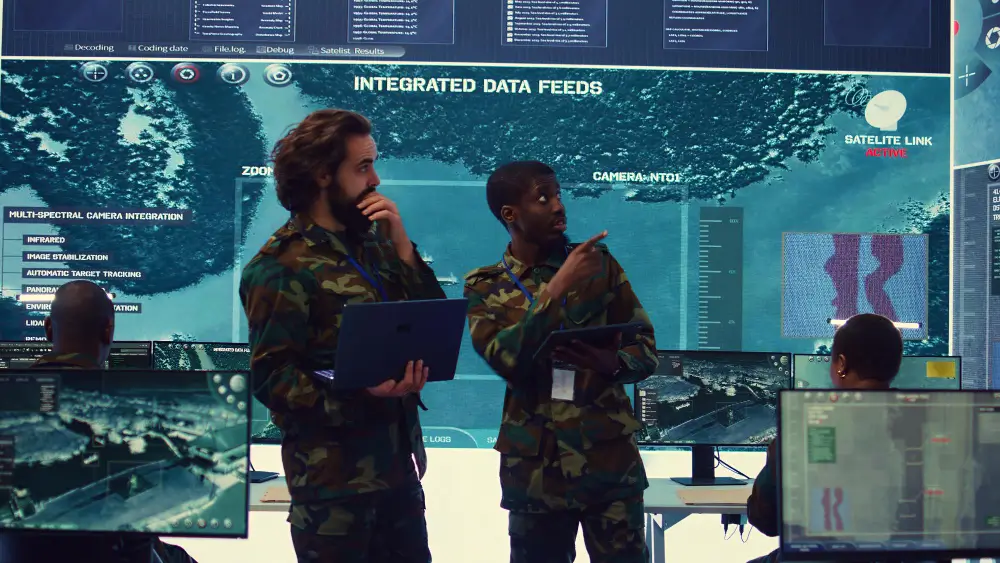
Army Talent Optimization: Matching Soldiers to the Right Roles Using Data
In modern military operations, success often depends on how effectively personnel are aligned with mission requirements. The right skills, leadership qualities, and performance capabilities must be placed in the right positions to achieve operational success. Military talent optimization is transforming how armed forces manage their workforce by using advanced data analytics and artificial intelligence to match soldiers with roles where they can perform at their highest potential. What Is Military Talent Optimization? Military talent optimization is a data-driven approach to managing personnel by analyzing performance metrics, skills, training outcomes, and behavioral characteristics. The goal is to ensure that each soldier is assigned to a role that aligns with their strengths and capabilities. Traditional assignment systems often rely on limited information such as rank, experience, and supervisor recommendations. While these factors remain important, modern army workforce management systems now incorporate advanced analytics to improve decision-making. By using technology and data insights, military organizations can better understand their workforce and make more strategic personnel decisions. The Role of Data in Army Workforce Management Effective army workforce management requires accurate information about the abilities and readiness of soldiers. Data collected from training programs, operational performance, and leadership evaluations can provide valuable insights into how individuals perform in different environments. Key data sources used in talent optimization include: Training and certification records Performance evaluations Physical fitness and readiness metrics Leadership assessments Behavioral and cognitive indicators When this information is analyzed collectively, it allows commanders to gain a comprehensive view of their personnel and make more informed assignment decisions. AI Soldier Placement: A Smarter Way to Assign Roles Artificial intelligence plays an important role in improving personnel placement through AI soldier placement systems. These systems analyze large amounts of workforce data to identify the best role for each soldier. AI-driven placement tools can: Identify skills and competencies across the workforce Recommend role assignments based on strengths and experience Predict performance outcomes in specific roles Reduce mismatches between talent and mission requirements This approach helps ensure that personnel are positioned where they can contribute most effectively to operational goals. Defense Talent Intelligence in Workforce Planning Another key element of modern military workforce management is defense talent intelligence. This concept refers to the use of advanced analytics and data-driven insights to understand workforce capabilities and future needs. Defense talent intelligence platforms can support: Strategic Workforce Planning Military leaders can anticipate future workforce needs and plan recruitment or training accordingly. Leadership Development Data insights can identify individuals with strong leadership potential and guide their career development. Skill Gap Identification Advanced analytics can reveal areas where additional training or recruitment may be required. Operational Efficiency Better workforce insights allow commanders to deploy personnel more effectively. Benefits of Military Talent Optimization Implementing military talent optimization systems offers several advantages for defense organizations. Improved Mission Effectiveness Matching soldiers to roles that align with their skills enhances operational performance. Better Workforce Utilization Talent optimization ensures that valuable skills and capabilities are not underutilized. Faster Decision-Making Data-driven insights help commanders make more informed personnel decisions. Enhanced Career Development Soldiers can be placed in roles that support their strengths and long-term career growth. Challenges in Implementing Data-Driven Talent Systems While the benefits of talent optimization are significant, implementing such systems also requires careful planning. Key challenges may include: Integrating data from multiple sources Ensuring data accuracy and reliability Protecting sensitive personnel information Adapting organizational processes to new technologies Addressing these challenges is essential for successfully implementing advanced army workforce management systems. The Future of Data-Driven Military Workforce Management As artificial intelligence and data analytics continue to evolve, military talent optimization will play an increasingly important role in defense organizations. Future developments may include: Real-time workforce analytics dashboards AI-driven career path recommendations Integrated performance monitoring systems Predictive models for leadership development These innovations will help military leaders better understand their workforce and build stronger, more capable teams. Conclusion Modern defense organizations require advanced tools to manage complex workforce challenges. Military talent optimization, supported by army workforce management systems, AI soldier placement, and defense talent intelligence, provides a powerful framework for aligning personnel with mission needs. By using data-driven insights to match soldiers to the right roles, the Army can enhance operational effectiveness, strengthen leadership development, and ensure a more agile and capable military force.
Improving Soldier Readiness Through Predictive Talent Intelligence in the Army
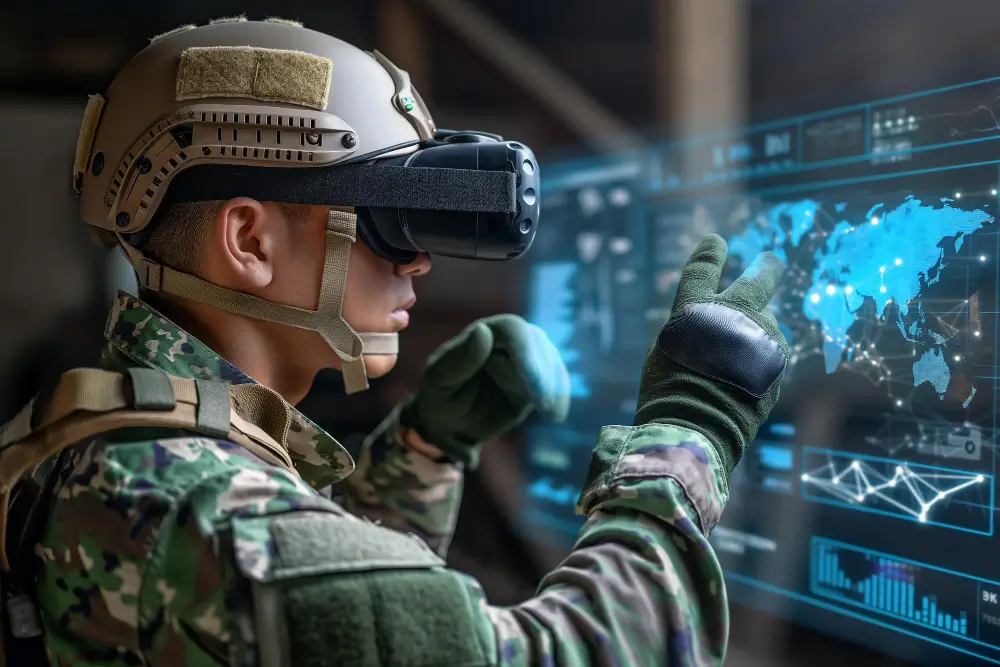
Modern military operations demand high levels of readiness, adaptability, and performance from soldiers. As missions become more complex and technology-driven, the ability to monitor, analyze, and enhance soldier capabilities has become increasingly important. Today, soldier performance analytics powered by predictive intelligence is helping military organizations improve readiness, identify strengths and weaknesses, and ensure soldiers are fully prepared for operational challenges. Understanding Soldier Performance Analytics Soldier performance analytics involves collecting and analyzing data related to a soldier’s physical, cognitive, and behavioral performance. This data helps commanders and decision-makers understand how individuals and teams perform under different conditions. Key performance factors that can be analyzed include: Physical endurance and fitness levels Cognitive performance and decision-making ability Stress tolerance and recovery rates Training outcomes and skill proficiency Leadership potential and teamwork capability By leveraging this data, military leaders can gain deeper insights into the readiness of their personnel and take proactive steps to improve performance. The Role of Army Readiness Technology Advancements in army readiness technology have made it possible to collect real-time data on soldier health, performance, and readiness levels. Technologies such as wearable sensors, training analytics platforms, and performance monitoring systems provide valuable information that was previously unavailable. These technologies allow the Army to: Track physical performance during training exercises Monitor fatigue and recovery levels Identify potential injury risks Evaluate skill development over time When integrated with predictive analytics systems, this data can help forecast future performance and readiness trends. Military Performance Monitoring in Modern Defense Systems Military performance monitoring plays a critical role in maintaining operational readiness. Continuous monitoring helps ensure that soldiers remain physically and mentally prepared for demanding missions. Performance monitoring systems can support: Training Optimization Data-driven insights allow trainers to design programs that address specific skill gaps and improve overall effectiveness. Early Risk Detection Monitoring systems can detect signs of fatigue, stress, or declining performance, allowing leadership to intervene before problems escalate. Improved Operational Planning Commanders can assess the readiness of their units more accurately and deploy personnel more effectively. Using Army Workforce Analytics to Strengthen Readiness Another important component of predictive talent intelligence is army workforce analytics. This approach focuses on analyzing workforce data to optimize how soldiers are trained, assigned, and developed throughout their careers. Workforce analytics can help military organizations: Identify high-performing individuals Determine optimal team compositions Predict workforce shortages Improve talent deployment strategies By understanding how individual performance contributes to overall unit effectiveness, the Army can create stronger and more capable teams. Predictive Intelligence for Future Military Operations Predictive analytics uses historical data and machine learning models to forecast future outcomes. In the context of military readiness, predictive intelligence can help anticipate performance challenges before they occur. Examples include: Predicting training success rates Identifying soldiers likely to excel in leadership roles Forecasting physical readiness levels across units Anticipating skill gaps that may impact mission success This forward-looking approach allows military organizations to plan more effectively and maintain a higher level of operational readiness. Benefits of Data-Driven Soldier Readiness Implementing soldier performance analytics and predictive intelligence can deliver several key benefits for the Army. Enhanced Operational Effectiveness Data-driven insights ensure soldiers are deployed where their strengths can contribute most effectively. Improved Training Programs Performance data helps trainers design targeted programs that address individual and team needs. Better Health and Injury Prevention Continuous monitoring can identify fatigue or injury risks early, helping reduce long-term health issues. Stronger Leadership Development Analytics can highlight individuals with leadership potential and support their career progression. The Future of Army Readiness Technology As technology continues to evolve, the integration of AI, predictive analytics, and advanced monitoring systems will play an even greater role in military readiness. Future developments may include: AI-driven readiness dashboards for commanders Real-time soldier performance monitoring platforms Integrated analytics systems across military units Predictive models for long-term workforce planning These innovations will enable military leaders to make more informed decisions and maintain a highly prepared and resilient force. Conclusion Improving soldier readiness requires more than traditional training and evaluation methods. By leveraging soldier performance analytics, army readiness technology, and military performance monitoring, the Army can gain deeper insights into the capabilities of its workforce. Predictive talent intelligence allows military organizations to anticipate challenges, optimize training, and deploy soldiers more effectively. As data-driven systems continue to evolve, they will play a critical role in ensuring that the Army remains prepared to meet the demands of modern defense operations.
How AI-Powered Talent Optimization Can Transform the U.S. Army Workforce
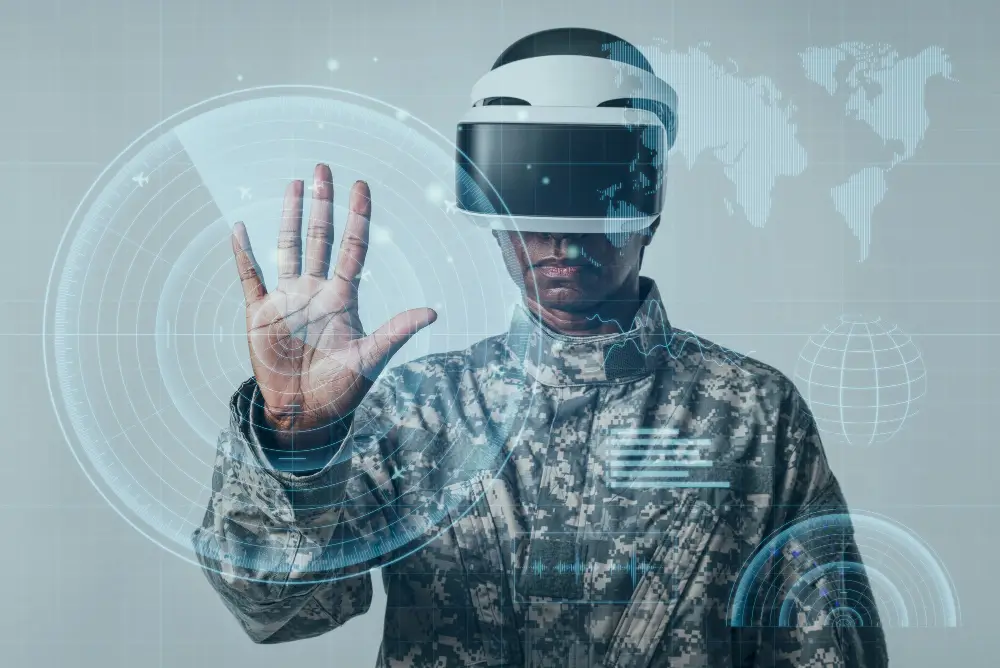
Modern military organizations operate in increasingly complex environments where mission success depends not only on advanced technology but also on the right people in the right roles at the right time. Traditional personnel management methods often rely on manual assessments, limited data, and static career paths. Today, AI-powered army talent optimization is transforming how military organizations manage their workforce. By combining artificial intelligence, predictive analytics, and human performance data, the Army can better align soldiers’ skills, abilities, and potential with mission requirements. Understanding Army Talent Optimization Army talent optimization refers to the strategic use of data and advanced analytics to match military personnel with roles where they can perform at their highest potential. Instead of relying solely on traditional evaluation systems, modern army talent management systems use AI to analyze multiple data sources such as: Performance records Training outcomes Cognitive and behavioral traits Physical readiness metrics Leadership potential indicators This data-driven approach enables the Army to make smarter decisions about recruitment, training, deployment, and leadership development. The Role of AI in Army Workforce Management Artificial intelligence is revolutionizing how organizations analyze complex datasets. In the context of AI in the Army workforce, machine learning algorithms can identify patterns and insights that human analysis alone might miss. Key capabilities include: 1. Intelligent Talent Matching AI systems analyze soldiers’ skills, experience, and performance data to determine the best roles for each individual. This ensures personnel are placed where they can contribute most effectively. 2. Predictive Workforce Planning Using predictive analytics in the Army, leadership can forecast workforce needs, identify talent gaps, and plan future training or recruitment strategies. 3. Performance Prediction AI models can estimate how individuals may perform in certain roles based on historical performance patterns and behavioral indicators. 4. Continuous Talent Monitoring Advanced analytics platforms can track changes in performance, readiness, and leadership potential over time, enabling more proactive talent management. Benefits of AI-Driven Army Talent Management Systems Implementing an AI-based army talent management system can bring significant advantages to military organizations. Improved Mission Readiness When soldiers are assigned roles aligned with their strengths, operational units become more effective and responsive. Better Leadership Development AI tools can identify individuals with strong leadership potential early in their careers, allowing targeted training and mentoring. Faster Decision-Making Data-driven insights help commanders make faster and more accurate personnel decisions. Reduced Workforce Mismatch Traditional placement systems may sometimes assign personnel to roles that do not fully utilize their abilities. AI helps reduce this mismatch. Predictive Analytics in the Army Predictive analytics in the Army enables leadership to anticipate future outcomes using historical data and machine learning models. Examples include: Predicting training success rates Identifying high-potential leaders Forecasting workforce shortages Evaluating readiness levels across units By analyzing these insights, commanders can make proactive adjustments to staffing, training programs, and mission planning. Enhancing Soldier Performance Through Data Human performance is influenced by multiple factors including cognitive ability, physical readiness, stress tolerance, and leadership traits. AI-powered systems can integrate these data points to create a more comprehensive view of each soldier. With this approach, the Army can: Monitor performance trends Identify training needs Improve career development planning Support long-term workforce readiness This data-driven strategy helps ensure that each soldier is positioned to succeed while contributing to overall mission effectiveness. The Future of Army Talent Optimization As technology continues to evolve, the future of army talent optimization will likely include deeper integration of AI, biometric data, and advanced analytics platforms. Potential developments include: Real-time performance monitoring systems AI-guided career path planning Predictive promotion and leadership development models Integrated talent intelligence platforms across military branches These innovations will allow military organizations to build a more agile, capable, and mission-ready workforce. Conclusion AI-powered army talent optimization represents a major step forward in modern military workforce management. By leveraging artificial intelligence, predictive analytics, and advanced data insights, the Army can better understand its personnel and deploy talent more effectively. As defense organizations continue adopting AI-driven systems, the ability to match soldiers with the right opportunities will not only enhance individual performance but also strengthen overall mission readiness and operational success.