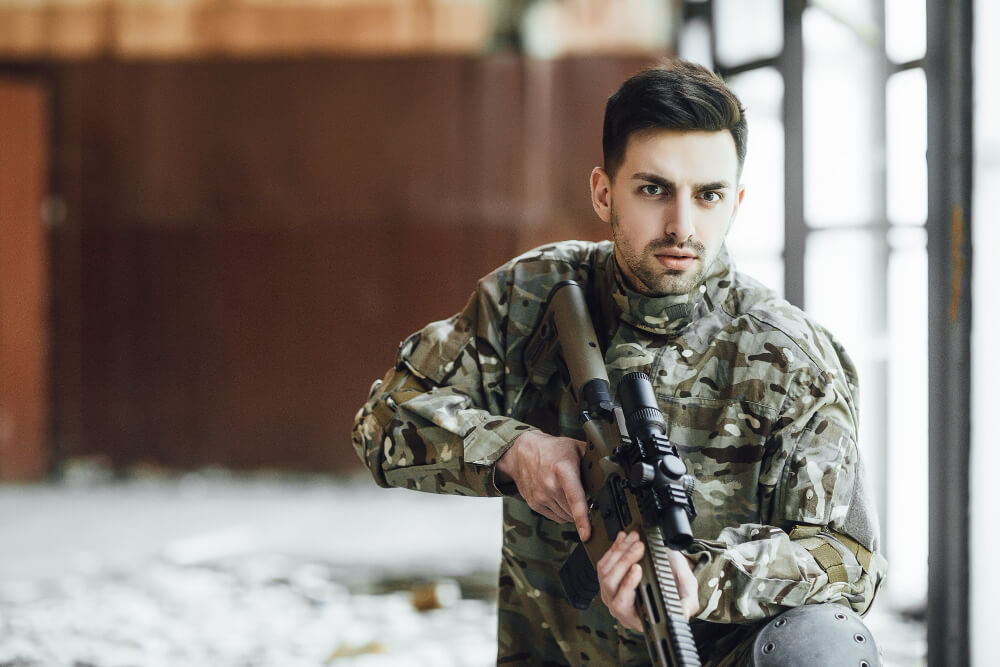
Modern military training is evolving rapidly as new technologies help improve soldier performance, reduce injuries, and optimize training outcomes. While traditional training systems have produced highly capable soldiers for decades, emerging technologies such as artificial intelligence, wearable devices, and data analytics are creating opportunities to enhance training even further. A proposed AI-driven soldier optimization pilot program explores how technology could support better recruitment insights, smarter training methods, and improved role assignment within the Indian Army. This pilot program would combine wearable monitoring, cognitive testing, performance analytics, and command-level dashboards to evaluate how data-driven insights can improve training outcomes. The Need for Smarter Soldier Training Indian Army training programs are known for their discipline, intensity, and effectiveness. However, traditional training systems generally apply the same structure to all recruits. In reality, every soldier has different strengths: Some recruits excel in endurance and physical performance Others demonstrate strong decision-making abilities Some show early leadership potential Modern technology allows these differences to be identified earlier in the training process, helping commanders optimize how soldiers are trained and deployed. The AI-Driven Soldier Optimization Pilot The proposed pilot program would involve a small cohort of 10 soldiers to evaluate the effectiveness of AI-supported training analytics. The cohort would be divided into two groups: Control Group (5 soldiers)Following the standard Army training process. AI-Enhanced Group (5 soldiers)Using additional monitoring and analytics tools alongside the standard training program. The pilot would run for approximately 8–12 weeks, allowing commanders to compare performance outcomes between both groups. Wearable Monitoring Using Smart Devices In the AI-assisted group, soldiers would use wearable devices such as Apple Watch or equivalent military-grade wearables. These devices monitor key physiological indicators including: Heart rate variability (stress levels) Sleep patterns and recovery cycles Physical workload during training Fatigue indicators By monitoring these metrics, trainers can better understand how soldiers respond to physical training and adjust training intensity accordingly. This helps reduce the risk of overtraining and preventable injuries. The Helix Mobile App for Cognitive and Behavioral Testing The pilot system would include a Helix mobile application installed on smartphones used by soldiers in the AI group. The application provides several interactive assessments designed to track mental performance and behavioral indicators. Examples include: Daily decision-making exercises Reaction time tests Weekly psychometric assessments Stress simulation scenarios Feedback surveys and mood tracking These tools help identify cognitive strengths such as strategic thinking, adaptability, and leadership potential. Optional DNA-Based Performance Insights Another optional component of the pilot program involves a one-time saliva DNA test conducted at the beginning of training. The purpose of this test is to explore potential biological insights related to performance, such as: Injury susceptibility (for example tendon or ligament risk) Endurance versus strength predisposition Recovery patterns after intense physical training Any DNA testing would operate under strict bioethics, privacy, and military data security guidelines, and participation would remain optional. Command Dashboard for Training Officers All collected data would be processed through a secure analytics platform accessible to authorized officers through a PC-based command dashboard. The dashboard provides: Real-time soldier performance monitoring Alerts for fatigue or injury risk Cognitive performance trends Training progress analytics This system functions purely as a decision-support tool, allowing commanders to make more informed training decisions. Adaptive Testing and Performance Tracking The system also includes weekly adaptive testing, where assessment difficulty adjusts based on previous results. For example: Leadership simulations become more complex as performance improves Decision-making exercises adapt to reaction speed and accuracy Stress-response scenarios simulate operational pressure These adaptive systems help track performance improvement over time. AI-Based Role Fit Analysis One of the most valuable features of the system is the AI-based role fit scoring engine. This engine analyzes multiple data sources including: Physical performance metrics Cognitive test results Behavioral indicators Team interaction inputs Using this data, the system can suggest possible role alignment recommendations, helping commanders better understand which roles soldiers may be most suited for. Examples may include: High endurance → Infantry roles Strong technical aptitude → Signals or engineering units Strong situational awareness → Reconnaissance or specialized units Final assignment decisions would always remain with military leadership. Measuring Pilot Program Results The pilot program would evaluate outcomes across several measurable categories. Performance Metrics Training evaluation scores Shooting accuracy Tactical decision-making ability Efficiency Metrics Time required to reach operational readiness Retraining requirements Health Metrics Injury frequency Recovery times after training Behavioral Metrics Team cohesion indicators Leadership potential signals These results would help determine whether AI-supported training analytics provide measurable benefits. Technology as a Support Tool for Military Leadership It is important to emphasize that technology is intended to support existing Army systems, not replace them. Traditional military values remain unchanged: Discipline Courage Teamwork Leadership Advanced technology simply provides additional data and insights that can help commanders make better-informed decisions. The Future of Data-Driven Military Training As military technology evolves, data-driven analytics may play an increasing role in training and personnel development. Systems combining wearable monitoring, cognitive analytics, and AI-driven insights could potentially help military organizations: Improve soldier readiness Reduce injuries during training Optimize role assignment Identify leadership potential earlier Pilot programs such as this allow defense organizations to evaluate these technologies carefully before considering wider implementation. Conclusion The proposed AI-driven soldier optimization pilot represents an opportunity to explore how modern technology can enhance traditional military training methods. By combining wearable monitoring, cognitive testing, and advanced analytics, the system aims to support better training decisions, improved soldier performance, and stronger operational readiness. While traditional military training remains the foundation of soldier development, data-driven tools may help shape the next generation of intelligent and highly capable soldiers.
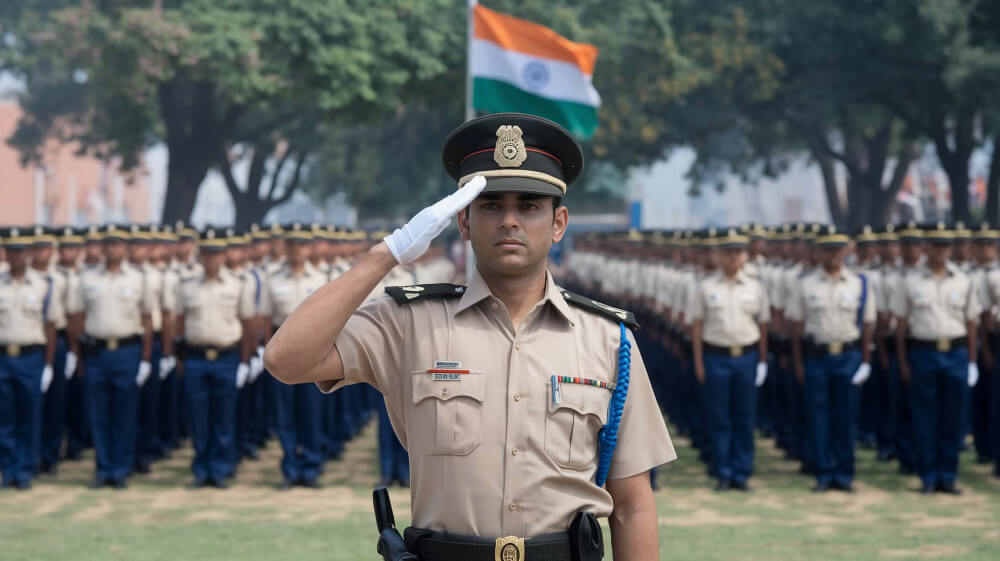
How AI Is Shaping the Future of Indian Army Officers and NDA Training
Becoming an officer in the Indian Army has always required exceptional leadership, discipline, intelligence, and physical strength. Institutions like the National Defence Academy (NDA) and the Indian Military Academy (IMA) have long been known for developing some of the finest military leaders in the world. However, the nature of warfare and defense leadership is evolving. Modern battlefields require officers who can combine traditional leadership qualities with technology, data awareness, and rapid decision-making. This is where artificial intelligence (AI) and advanced analytics are beginning to play an important role in shaping the future of NDA training and officer development. The Changing Role of Military Officers In the past, military leadership focused primarily on: Physical endurance Tactical knowledge Field command abilities While these qualities remain essential, today’s officers must also be capable of managing complex technologies, data-driven systems, and multi-domain operations. Modern officers are expected to: Make rapid decisions in high-pressure environments Manage advanced military technologies Lead highly specialized teams Adapt quickly to changing operational conditions To support these evolving responsibilities, military training programs are gradually incorporating AI-powered learning tools and analytics-based evaluation systems. How AI Can Improve NDA Training AI technologies have the potential to enhance several aspects of NDA training, helping cadets develop leadership and decision-making abilities more effectively. These technologies may include: Performance analytics platforms Cognitive training simulations Leadership assessment tools AI-supported learning modules By analyzing training performance and behavioral patterns, AI systems can help instructors identify areas where cadets may need additional guidance or support. Data-Driven Leadership Development One of the most valuable applications of AI in officer training is leadership analysis. Through advanced analytics, training programs may be able to evaluate: Decision-making speed and accuracy Team leadership behavior Stress management during complex tasks Communication effectiveness These insights allow instructors to provide targeted leadership training, helping cadets strengthen the skills required for commanding troops in real-world situations. AI-Based Tactical Simulations Military training often includes simulated combat exercises that prepare cadets for operational environments. With AI-powered simulation systems, training scenarios can become significantly more realistic. AI-driven simulations may include: Dynamic battlefield scenarios Adaptive enemy behavior Real-time decision feedback Strategic planning exercises These simulations allow cadets to experience complex operational situations and practice leadership under pressure. Improving Decision-Making Skills One of the most important qualities of a military officer is the ability to make quick and accurate decisions. AI-powered cognitive training tools can help cadets improve skills such as: Situational awareness Strategic thinking Risk assessment Reaction time By analyzing performance in decision-making exercises, instructors can guide cadets toward improved tactical judgment. Monitoring Physical and Mental Readiness Leadership in the military requires both physical endurance and mental resilience. Wearable devices and health monitoring technologies may help training institutions track factors such as: Physical fitness levels Stress and fatigue patterns Recovery and sleep quality Training workload intensity These insights can help ensure that cadets maintain peak readiness throughout their training. Preparing Officers for Technology-Driven Warfare Modern military operations involve advanced technologies such as: Unmanned systems Cyber defense platforms AI-powered intelligence tools Advanced communication networks Future officers must understand how to integrate these technologies into operational planning. Training programs that incorporate AI-supported education and simulation systems can help prepare officers for these technologically advanced environments. Benefits for NDA Aspirants and Future Officers The integration of AI and advanced analytics into officer training offers several advantages. Better Leadership Development AI-based analysis helps instructors identify leadership strengths and areas for improvement. Enhanced Tactical Training Realistic simulations allow cadets to experience complex battlefield situations before entering active service. Faster Skill Improvement Data-driven insights help cadets improve their performance more quickly. Stronger Operational Readiness Technology-supported training prepares officers for the realities of modern warfare. Technology Enhances Military Leadership While advanced technologies can improve training, they do not replace the traditional values of military leadership. The foundations of officer training remain: Discipline Courage Integrity Responsibility toward soldiers and the nation Technology simply acts as a tool that strengthens these leadership qualities. The Future of NDA and Officer Training As artificial intelligence and advanced analytics continue to develop, officer training programs may evolve to include more technology-assisted learning and performance analysis. Future training systems could include: AI-powered leadership assessment platforms Real-time performance analytics dashboards Advanced battlefield simulation environments Personalized leadership development programs These innovations could help produce officers who are strategically intelligent, technologically skilled, and operationally effective. Final Thoughts The future of military leadership will combine traditional values with modern technology. By integrating AI in military training, performance analytics, and advanced simulations, institutions like the NDA and IMA can continue to develop highly capable officers prepared for modern defense challenges. For NDA aspirants and future officers, this means training that is not only physically demanding but also strategically intelligent and technologically advanced. As defense technology evolves, the next generation of Indian Army officers will be equipped to lead with strength, intelligence, and innovation.
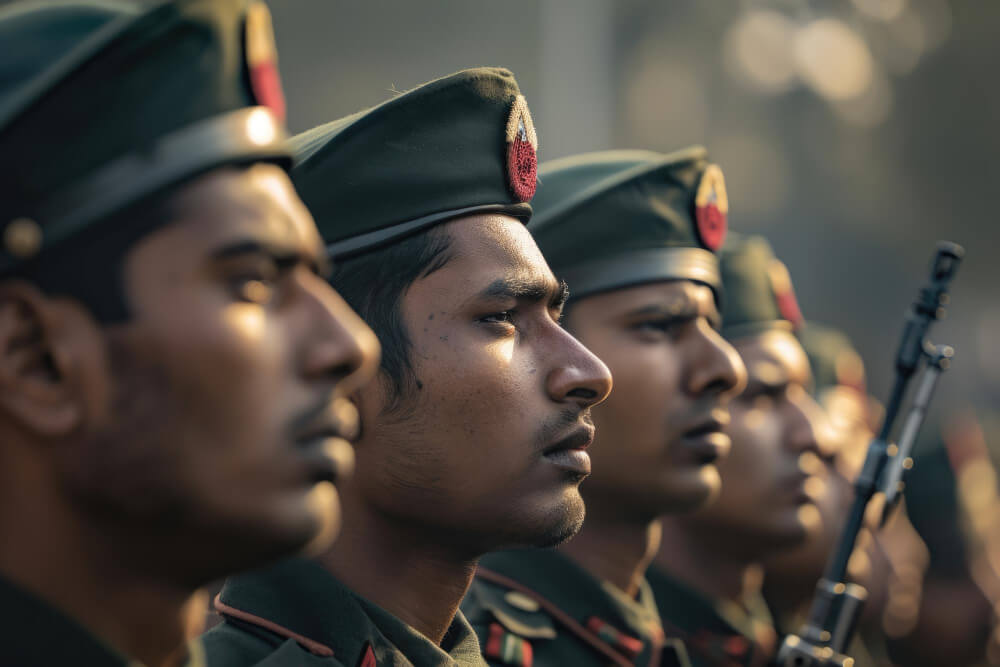
How AI and Wearable Technology Are Transforming Indian Army Training for Soldiers
Joining the Indian Army has always required discipline, physical strength, and mental resilience. For decades, soldiers have trained through rigorous physical drills, field exercises, and combat preparation programs designed to build toughness and readiness. Today, however, a new transformation is emerging in military training—one that combines human potential with advanced technology. Artificial intelligence, wearable devices, and data-driven training platforms are beginning to reshape how soldiers train, recover, and develop their careers. Imagine a system where training is not only demanding—but smart, personalized, and optimized for every soldier. Welcome to the future of soldier training. Why the Traditional Training System Is Evolving The current Indian Army training system is highly effective and has produced some of the most capable soldiers in the world. However, traditional training methods often follow a uniform approach, where every recruit undergoes the same training intensity and evaluation process. In reality, every soldier has unique strengths and abilities. Some soldiers demonstrate exceptional physical endurance, while others show strong decision-making abilities under pressure. Some may develop leadership skills early in their careers. Until recently, these differences were often identified later during service—sometimes after years of training and deployment. With modern technology, these abilities can now be identified much earlier. Smarter Training Through AI and Technology New technologies are introducing AI in military training, allowing armies to analyze performance data and tailor training programs to each soldier. Tools such as: Smart wearable devices Mobile training applications Health and performance analytics platforms are enabling a new generation of data-driven soldier training programs. These technologies help create training systems that are: More personalized More efficient More effective How Wearable Technology Helps Monitor Soldier Performance Wearable devices such as smartwatches or biometric sensors can track important performance metrics during training. These devices monitor: Heart rate and cardiovascular stress Sleep patterns and recovery levels Physical workload during training exercises Fatigue and overtraining risk By collecting real-time data, commanders and training staff can ensure soldiers train at the right intensity. This reduces the risk of injuries and burnout, while still maintaining high training standards. Training the Mind as Well as the Body Modern military readiness requires both physical strength and mental agility. Digital training platforms and mobile apps can help soldiers improve cognitive performance through exercises such as: Decision-making simulations Reaction time training Leadership scenario testing Weekly performance tracking These tools help soldiers develop situational awareness, mental resilience, and leadership skills, which are essential in modern combat environments. Understanding Individual Physical Capabilities Advances in health analytics may also allow soldiers to better understand their own physical strengths and recovery patterns. For example, biological or health-based assessments can help determine: Endurance vs strength capabilities Injury risk factors Recovery speed after intense training With these insights, training programs can be adjusted to help soldiers reach peak performance while reducing unnecessary strain. Assigning the Right Role to the Right Soldier One of the most important advantages of soldier performance optimization is improved role placement. Traditionally, soldiers may be assigned roles based on available positions or general qualifications. With advanced data insights, armies can better align soldiers with roles that match their strengths. Examples include: High endurance → Infantry roles Strong technical ability → Signals or engineering units High situational awareness → Reconnaissance or specialized units This approach ensures that soldiers are positioned where they can contribute most effectively. Benefits for Soldiers The integration of AI and wearable technology into training systems can offer several benefits. Faster Skill Development Training programs adapted to individual strengths allow soldiers to learn more efficiently. Reduced Risk of Injuries Continuous monitoring helps detect fatigue and overtraining before injuries occur. Improved Operational Performance Better training insights lead to stronger performance during exercises and real missions. Better Career Opportunities Early identification of strengths can support specialization and leadership development. A Simple Example Consider two recruits beginning their training: One recruit struggles with endurance but demonstrates excellent decision-making ability. Another recruit is physically strong but takes longer to process complex tactical scenarios. Using AI-driven analysis, training systems may guide them toward different career paths: The first recruit may be suited for technical or leadership roles. The second recruit may excel in combat-intensive roles. Both soldiers succeed because their abilities are recognized early and developed accordingly. Technology Supports Army Values It is important to remember that technology does not replace the core values of the Army. Discipline, courage, loyalty, and teamwork remain the foundation of military service. Advanced technology simply enhances training methods, helping soldiers reach their full potential. The Future of Indian Army Training The Indian Army has always been known for producing highly capable soldiers through rigorous training and discipline. By integrating AI, wearable technology, and performance analytics, the future of military training may become even more effective. These innovations could help develop soldiers who are not only physically strong but also technologically empowered, strategically skilled, and mentally resilient. Final Thoughts The combination of AI in military training, wearable technology, and soldier performance optimization represents an exciting evolution in how armies prepare their personnel. For soldiers, this means smarter training, better career development, and improved readiness for the challenges of modern warfare. As technology continues to evolve, the future of the Indian Army may include a new generation of soldiers who are stronger, smarter, and more capable than ever before.
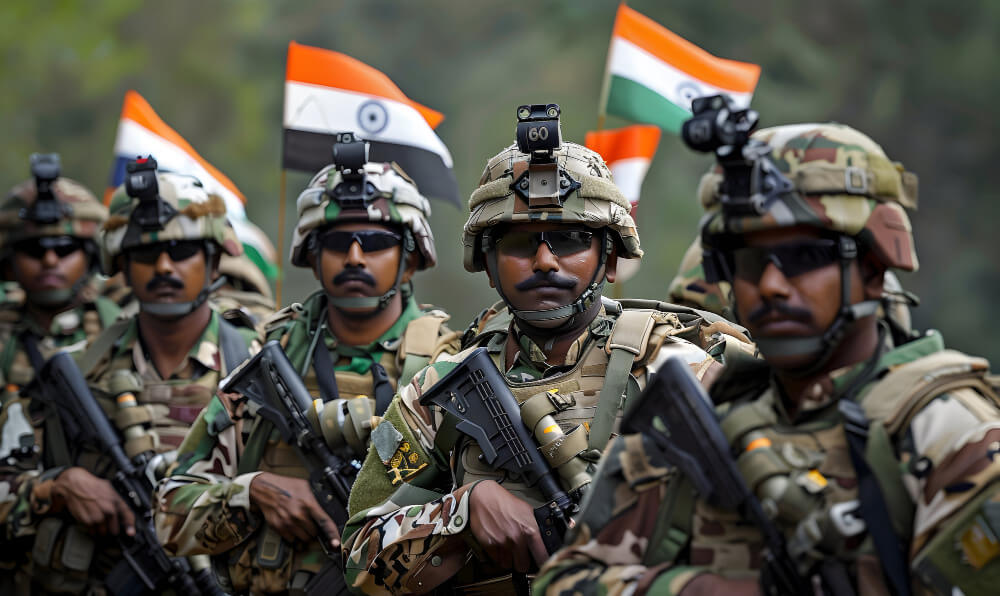
How Recruitment, Training, and Unit Assignment Work in the Indian Army
The Indian Army follows a structured and merit-based system for recruiting, training, and assigning personnel to operational units. Whether an individual joins as a soldier (Other Ranks) or as an officer, the process is designed to ensure that candidates are physically capable, mentally prepared, and professionally trained for military service. This structured approach helps maintain discipline, operational readiness, and effective deployment across the Indian Army’s various regiments and operational units. How the Indian Army Recruits Soldiers The recruitment system of the Indian Army is divided into two primary entry categories: Soldiers (Other Ranks) Officers Each category follows a different selection process depending on responsibilities and leadership roles. Soldier (Other Ranks) Recruitment Process Joining the Army as a soldier is the most common entry path. Recruitment typically takes place through regional recruitment rallies known as Army Bharti. Recruitment Notification and Rally Announcement The Indian Army regularly publishes recruitment notifications for different regions of the country. These recruitment drives are organized locally to attract candidates from various states. Eligibility Requirements To apply for soldier positions, candidates must meet several eligibility criteria. Age Requirement Generally between 17.5 and 21 or 23 years, depending on the specific role. Educational Qualification Typically 10th or 12th pass, depending on the trade or position. Physical Standards Height, chest measurement, and weight standards vary based on region and category. Physical Fitness Test (PFT) Candidates must pass a physical fitness assessment designed to test endurance and strength. Common tests include: 1.6 km timed run Pull-ups Balance and agility tests These tests ensure candidates have the physical capability required for military service. Physical Measurement Test (PMT) Candidates who pass the fitness test undergo physical measurement verification. This includes: Height measurement Chest expansion check Weight verification These measurements must meet the Army’s standards. Medical Examination Candidates undergo a comprehensive medical examination to assess overall health. The evaluation includes: Vision and eyesight tests Hearing ability Physical health assessment General medical fitness Only medically fit candidates proceed to the next stage. Written Examination (CEE) Candidates then take the Common Entrance Exam (CEE). The exam typically includes questions on: General knowledge Mathematics Logical reasoning Performance in this exam contributes significantly to the final selection process. Final Merit List The Indian Army prepares a final merit list based on overall performance across all stages. Candidates who rank high enough in the merit list are selected for training. Officer Recruitment in the Indian Army Officers are responsible for leadership, planning, and operational command roles within the Army. There are several entry routes for officer-level positions. Major Entry Routes National Defence Academy (NDA)Candidates can join after completing their 12th grade. Combined Defence Services (CDS)Graduates can apply through this entry route. Technical Entry Scheme (TES)Engineering students may apply through specialized technical entry programs. Service Selection Board (SSB) Interview Candidates who qualify for officer selection must appear before the Service Selection Board (SSB). The SSB process lasts approximately five days and evaluates leadership potential, personality, and decision-making abilities. The assessment includes: Psychological tests Group tasks and leadership exercises Personal interview Medical Examination and Final Selection Candidates who successfully pass the SSB must undergo a medical examination. Final selection is based on a combined merit list, considering written exam performance, SSB results, and medical fitness. Training Process in the Indian Army After selection, candidates undergo rigorous training to prepare them for operational roles. Training differs for soldiers and officers. Soldier Training Soldier training typically lasts between six months and one year, depending on the role and specialization. Training Centers Training takes place at regimental centers such as: Sikh Regiment Centre Gorkha Training Centre Other regimental training facilities across India Basic Military Training Initial training focuses on fundamental military skills including: Discipline and military drill Physical fitness and endurance Weapon handling and safety Field Craft and Combat Tactics Soldiers are trained in battlefield operations including: Camouflage techniques Patrolling strategies Basic combat tactics Weapons and Firing Training Soldiers learn to operate military weapons and participate in: Live firing exercises Battlefield simulations Specialized Training After basic training, soldiers may receive specialized instruction based on their assigned role, such as: Infantry operations Signals and communication Artillery support Officer Training Officers undergo more extensive training focused on leadership and strategic planning. Major Training Academies Officer training is conducted at institutions such as: Indian Military Academy (IMA), Dehradun Officers Training Academy (OTA), Chennai National Defence Academy (NDA), Pune Training Duration Training length varies depending on entry route: NDA: 3 years at NDA plus 1 year at IMA CDS or Direct Entry: Approximately 1 year Training Focus Officer training includes: Leadership development Military strategy and tactics Military law Advanced field operations and weapons systems How Soldiers Are Assigned to Units Assignment within the Indian Army follows a structured system. It is not random and is influenced by several factors. Regimental System for Soldiers India follows a regimental system, which plays an important role in unit assignments. Soldiers are recruited into specific regiments such as: Rajput Regiment Sikh Regiment Gorkha Rifles In many cases, recruitment may consider: Region Language Ethnic background (in certain regiments) Posting Process After completing training: Soldiers are posted to their parent regiment. They are then assigned to a specific battalion or unit. Over time, soldiers may receive transfers based on: Operational requirements Experience level Promotions Officer Unit Assignment Officers are assigned to units based on several factors. Allocation Criteria Assignments may consider: Merit ranking during training Personal preferences (when possible) Operational requirements of the Army Branch and Regiment Allocation Officers are first assigned to a branch such as: Infantry Armored Corps Engineers Signals They are then commissioned into a specific regiment and posted to a battalion. For example, an officer may be commissioned into the Infantry → Sikh Regiment → specific battalion. Career Movement in the Indian Army Throughout their careers, soldiers and officers typically rotate between different postings. These may include: Field Postings Border areas Active operational zones Peace Postings Training institutions Headquarters assignments Promotions, experience, and specialization influence future postings and responsibilities. Conclusion The Indian Army follows a well-structured recruitment, training,