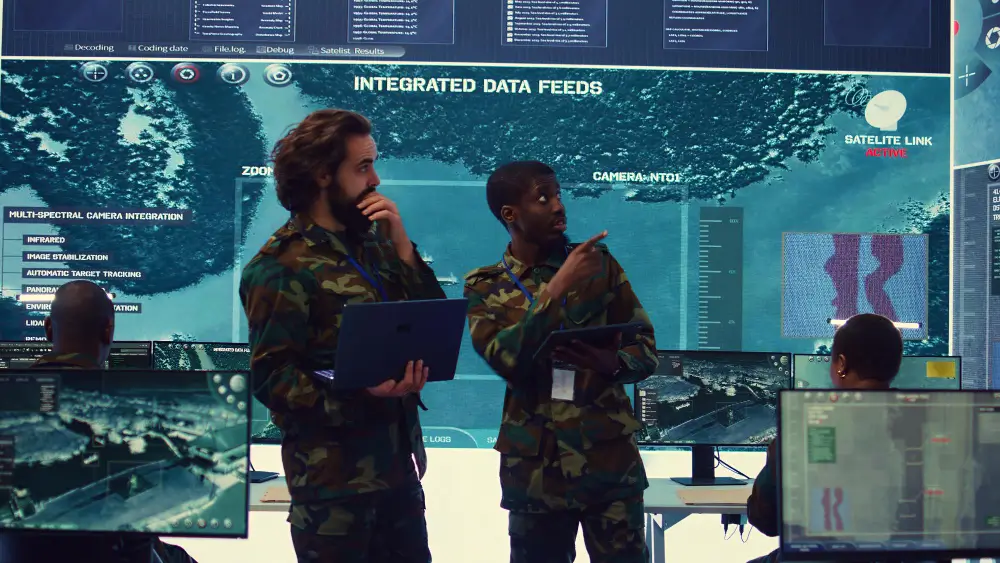
In modern military operations, success often depends on how effectively personnel are aligned with mission requirements. The right skills, leadership qualities, and performance capabilities must be placed in the right positions to achieve operational success.
Military talent optimization is transforming how armed forces manage their workforce by using advanced data analytics and artificial intelligence to match soldiers with roles where they can perform at their highest potential.
What Is Military Talent Optimization?
Military talent optimization is a data-driven approach to managing personnel by analyzing performance metrics, skills, training outcomes, and behavioral characteristics. The goal is to ensure that each soldier is assigned to a role that aligns with their strengths and capabilities.
Traditional assignment systems often rely on limited information such as rank, experience, and supervisor recommendations. While these factors remain important, modern army workforce management systems now incorporate advanced analytics to improve decision-making.
By using technology and data insights, military organizations can better understand their workforce and make more strategic personnel decisions.
The Role of Data in Army Workforce Management
Effective army workforce management requires accurate information about the abilities and readiness of soldiers. Data collected from training programs, operational performance, and leadership evaluations can provide valuable insights into how individuals perform in different environments.
Key data sources used in talent optimization include:
- Training and certification records
- Performance evaluations
- Physical fitness and readiness metrics
- Leadership assessments
- Behavioral and cognitive indicators
When this information is analyzed collectively, it allows commanders to gain a comprehensive view of their personnel and make more informed assignment decisions.
AI Soldier Placement: A Smarter Way to Assign Roles
Artificial intelligence plays an important role in improving personnel placement through AI soldier placement systems. These systems analyze large amounts of workforce data to identify the best role for each soldier.
AI-driven placement tools can:
- Identify skills and competencies across the workforce
- Recommend role assignments based on strengths and experience
- Predict performance outcomes in specific roles
- Reduce mismatches between talent and mission requirements
This approach helps ensure that personnel are positioned where they can contribute most effectively to operational goals.
Defense Talent Intelligence in Workforce Planning
Another key element of modern military workforce management is defense talent intelligence. This concept refers to the use of advanced analytics and data-driven insights to understand workforce capabilities and future needs.
Defense talent intelligence platforms can support:
Strategic Workforce Planning
Military leaders can anticipate future workforce needs and plan recruitment or training accordingly.
Leadership Development
Data insights can identify individuals with strong leadership potential and guide their career development.
Skill Gap Identification
Advanced analytics can reveal areas where additional training or recruitment may be required.
Operational Efficiency
Better workforce insights allow commanders to deploy personnel more effectively.
Benefits of Military Talent Optimization
Implementing military talent optimization systems offers several advantages for defense organizations.
Improved Mission Effectiveness
Matching soldiers to roles that align with their skills enhances operational performance.
Better Workforce Utilization
Talent optimization ensures that valuable skills and capabilities are not underutilized.
Faster Decision-Making
Data-driven insights help commanders make more informed personnel decisions.
Enhanced Career Development
Soldiers can be placed in roles that support their strengths and long-term career growth.
Challenges in Implementing Data-Driven Talent Systems
While the benefits of talent optimization are significant, implementing such systems also requires careful planning.
Key challenges may include:
- Integrating data from multiple sources
- Ensuring data accuracy and reliability
- Protecting sensitive personnel information
- Adapting organizational processes to new technologies
Addressing these challenges is essential for successfully implementing advanced army workforce management systems.
The Future of Data-Driven Military Workforce Management
As artificial intelligence and data analytics continue to evolve, military talent optimization will play an increasingly important role in defense organizations.
Future developments may include:
- Real-time workforce analytics dashboards
- AI-driven career path recommendations
- Integrated performance monitoring systems
- Predictive models for leadership development
These innovations will help military leaders better understand their workforce and build stronger, more capable teams.
Conclusion
Modern defense organizations require advanced tools to manage complex workforce challenges. Military talent optimization, supported by army workforce management systems, AI soldier placement, and defense talent intelligence, provides a powerful framework for aligning personnel with mission needs.
By using data-driven insights to match soldiers to the right roles, the Army can enhance operational effectiveness, strengthen leadership development, and ensure a more agile and capable military force.