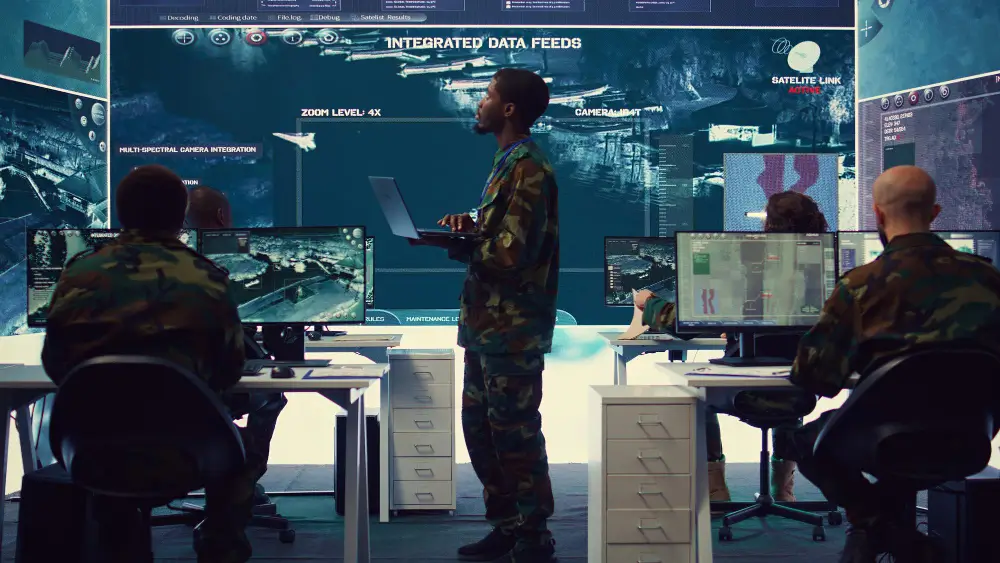

Modern naval operations require highly skilled personnel working in coordinated teams across complex technological environments. From navigation and engineering to intelligence and combat operations, every role within the Navy demands specific skills, training, and decision-making capabilities.
Traditionally, personnel placement within naval forces has relied on experience, training records, and command assessments. While these methods remain valuable, advances in predictive analytics now offer new ways to improve how sailors are assigned to roles and operational units.
By analyzing performance data, behavioral indicators, and training outcomes, predictive analytics can help support smarter and more effective Navy personnel placement decisions.
The Challenge of Personnel Placement in the Navy
Naval operations depend heavily on team coordination, specialized expertise, and operational readiness. Assigning the right individual to the right position is critical for mission success.
However, traditional placement methods often rely on limited data points such as:
- Training qualifications
- Past assignments
- Supervisor evaluations
- Seniority or rank
While these factors remain important, they may not always capture deeper insights into a sailor’s abilities, cognitive strengths, or adaptability under pressure.
Predictive analytics provides an additional layer of insight that can help improve navy workforce planning and personnel alignment.
What Is Predictive Analytics in Military Workforce Management?
Predictive analytics uses advanced data analysis and machine learning models to forecast future outcomes based on historical and real-time data.
In the context of naval workforce management, predictive analytics can analyze data such as:
- Training performance metrics
- Operational readiness scores
- Cognitive testing results
- Behavioral assessments
- Team collaboration indicators
By identifying patterns within this data, predictive models can help forecast how personnel may perform in specific roles or operational environments.
Improving Navy Personnel Placement Through Data
One of the most valuable applications of predictive analytics is optimizing personnel placement.
By analyzing multiple data sources, analytics platforms can help identify which sailors may perform best in certain operational roles.
Examples include:
- High technical aptitude → Engineering or technical systems roles
- Strong situational awareness → Navigation or tactical operations
- Strong analytical ability → Intelligence and surveillance roles
- High leadership indicators → Command or team leadership positions
This approach supports a data-informed placement process that complements traditional command judgment.
Benefits of Predictive Workforce Insights for the Navy
Integrating predictive analytics into naval workforce systems can offer several operational benefits.
Improved Operational Readiness
When sailors are placed in roles aligned with their strengths, units become more efficient and better prepared for missions.
Better Utilization of Skills
Predictive analytics helps identify specialized talents that may not always be visible through traditional evaluation systems.
Faster Training Adaptation
Training programs can be adjusted based on predictive insights, allowing sailors to develop skills required for specific roles more efficiently.
Reduced Personnel Mismatch
Misalignment between personnel capabilities and assigned roles can affect operational performance. Predictive insights help reduce such mismatches.
Supporting Command Decisions with Analytics
It is important to emphasize that predictive analytics does not replace military leadership or command authority.
Instead, analytics systems function as decision-support tools that provide additional insights to commanders.
Commanders still make the final decisions regarding:
- Personnel assignments
- Promotions
- Operational deployment
Analytics simply helps provide better information for informed decision-making.
Monitoring Performance and Career Development
Predictive analytics systems can also support long-term career development for naval personnel.
By tracking performance trends over time, the Navy can better understand how individuals develop across different assignments.
This can support:
- Leadership identification
- Specialized career path planning
- Training program improvements
- Workforce readiness monitoring
Over time, these insights can help build stronger and more capable naval teams.
The Role of Data Security and Ethics
Because military personnel data is sensitive, any predictive analytics system must operate within strict security and privacy frameworks.
Key considerations include:
- Secure data storage and encryption
- Controlled access for authorized personnel only
- Compliance with military data governance policies
- Ethical use of performance data
These safeguards ensure that workforce analytics remains both effective and responsible.
The Future of Navy Workforce Optimization
As artificial intelligence and data analytics technologies continue to evolve, naval organizations may increasingly use predictive insights to enhance workforce management.
Future workforce systems could include:
- AI-assisted personnel assignment tools
- Real-time performance monitoring dashboards
- Predictive models for leadership development
- Data-driven training optimization platforms
These innovations can help ensure naval forces remain adaptable, efficient, and prepared for the demands of modern maritime operations.
Conclusion
Effective personnel placement is one of the most important factors in maintaining a capable and mission-ready naval force. While traditional placement methods provide valuable insights, predictive analytics offers a powerful new approach to workforce optimization.
By analyzing training data, performance metrics, and behavioral indicators, predictive analytics can help support smarter placement decisions and improve operational effectiveness across naval units.
As data-driven technologies continue to evolve, predictive analytics will likely play an increasingly important role in optimizing Navy personnel placement and strengthening mission readiness.