
A military career is a long journey that often spans 20 to 30 years, beginning with enlistment and progressing through training, operational assignments, leadership roles, and eventually retirement. During this time, service members develop skills, gain experience, and take on increasing levels of responsibility. Traditionally, career development within military organizations has relied on performance evaluations, operational experience, and leadership recommendations. While these methods remain essential, advances in artificial intelligence (AI) and talent intelligence systems are introducing new ways to support career planning and professional development. By using data-driven insights, military organizations can better understand personnel capabilities, guide career progression, and help service members reach their full potential over the course of a 30-year military career. Understanding Talent Intelligence in Military Careers Talent intelligence refers to the use of workforce analytics, artificial intelligence, and performance data to understand how individuals develop and perform over time. Instead of relying solely on periodic evaluations, talent intelligence systems analyze multiple data sources such as: Training performance results Operational mission outcomes Technical certifications and qualifications Leadership evaluations Behavioral and teamwork indicators These insights help leadership gain a more comprehensive understanding of personnel strengths, development needs, and potential career paths. The Early Career Stage: Recruitment and Initial Training The first stage of a military career typically involves recruitment, basic training, and early assignments. During this phase, AI-powered analytics systems can help identify strengths and development opportunities by analyzing factors such as: Physical readiness and endurance Cognitive performance and decision-making ability Learning progress during training programs Technical aptitude for specialized roles These insights help guide initial role assignments and training opportunities. Developing Skills and Specialization As service members progress through their careers, they often develop specialized skills that support mission requirements. Examples include: Technical expertise in engineering or communications Intelligence analysis and information operations Aviation or navigation skills Cybersecurity and digital operations AI-driven talent intelligence systems can help identify skill gaps and recommend training programs that support long-term career development. This ensures that personnel continue developing the capabilities needed for evolving mission demands. Mid-Career Leadership Development During the middle stages of a military career, service members often transition into leadership roles where they are responsible for managing teams and operational missions. Talent intelligence systems can support leadership development by analyzing: Leadership performance during training exercises Team coordination and communication patterns Decision-making under pressure Operational mission results These insights help identify individuals who demonstrate strong leadership potential and prepare them for higher levels of responsibility. Supporting Promotion and Assignment Decisions Promotions and assignments are key milestones in military careers. Traditionally, these decisions are based on performance evaluations, seniority, and leadership recommendations. AI-driven workforce analytics can provide additional insights that support these decisions by evaluating: Long-term performance trends Leadership effectiveness across assignments Adaptability to new roles and challenges Technical expertise and operational impact These insights help ensure that career progression decisions are based on a comprehensive understanding of individual capabilities. Preparing for Senior Leadership Roles As service members approach the later stages of their careers, they often take on senior leadership positions involving strategic planning and operational command. AI-powered talent intelligence platforms can help track career development and identify individuals who are well prepared for these roles. By analyzing performance patterns over time, these systems can help ensure that experienced personnel are ready to guide teams and manage complex operations. Supporting Long-Term Workforce Planning In addition to supporting individual career development, talent intelligence systems also help military organizations plan their workforce more effectively. These systems can provide insights into: Future leadership requirements Workforce skill shortages Training needs across units Career progression trends across the force These insights help leadership maintain a strong and balanced workforce. Maintaining Security and Ethical Standards Because talent intelligence systems rely on sensitive personnel data, maintaining strong security and ethical standards is essential. Military organizations implementing these systems must ensure: Secure storage and encryption of workforce data Controlled access for authorized personnel Compliance with military data protection policies Responsible use of AI and analytics technologies These safeguards help protect personnel information and maintain trust within the organization. The Future of AI in Military Career Development As artificial intelligence and analytics technologies continue to advance, their role in military career development will likely expand. Future systems may include: AI-assisted career planning platforms Real-time performance monitoring dashboards Predictive leadership development models Integrated workforce intelligence across military branches These innovations will help military organizations guide service members through successful careers from enlistment to retirement. Conclusion A 30-year military career involves continuous learning, leadership development, and increasing responsibilities. By leveraging AI and talent intelligence, military organizations can gain deeper insights into personnel capabilities and support career development at every stage. These data-driven systems help ensure that service members receive the training, assignments, and leadership opportunities needed to succeed—strengthening both individual careers and the overall effectiveness of the military force.
How Data-Driven Systems Can Support Leadership Development Throughout a Military Career
Leadership is one of the most critical elements of military success. From small-unit leaders to senior commanders, military personnel must be able to guide teams, make strategic decisions under pressure, and manage complex operational environments. Developing these leadership capabilities is a continuous process that occurs throughout a service member’s career. In recent years, data-driven systems and workforce analytics have emerged as powerful tools that can support leadership development across all stages of military service. By analyzing training performance, operational experiences, and behavioral indicators, these systems can help military organizations identify potential leaders, improve training programs, and support more informed career development decisions. The Importance of Leadership in Military Careers Military leadership involves much more than command authority. Effective leaders must demonstrate a wide range of skills, including: Strategic thinking and planning Decision-making under pressure Effective communication and teamwork Adaptability in complex environments Responsibility for mission success and personnel welfare Because leadership responsibilities increase over time, service members must continuously develop new skills and competencies throughout their careers. Data-driven systems can provide valuable insights that support this long-term leadership development process. What Are Data-Driven Leadership Development Systems? Data-driven systems use analytics and workforce intelligence tools to analyze information about personnel performance and development. These systems may evaluate data from various sources such as: Training evaluations and certification results Operational mission performance Leadership exercise assessments Behavioral and teamwork indicators Career progression milestones By analyzing these data points together, military organizations can gain deeper insights into how service members develop as leaders over time. Identifying Leadership Potential Early One of the most valuable benefits of data-driven leadership systems is the ability to identify individuals with strong leadership potential early in their careers. Performance analytics may highlight individuals who demonstrate characteristics such as: Strong decision-making abilities Effective communication with team members High situational awareness during training exercises Strong collaboration and mentoring capabilities Early identification allows military organizations to provide targeted mentorship and leadership training opportunities. Improving Leadership Training Programs Data analytics can also help improve leadership development programs by identifying patterns within training results. By analyzing performance across different training cohorts, military organizations can determine: Which training methods are most effective Which leadership skills require additional focus How training programs can be improved These insights allow training institutions to continuously refine leadership development programs. Supporting Career Development Decisions Leadership development is closely linked to career progression. Data-driven systems can support decision-making related to promotions, assignments, and career opportunities. By analyzing long-term performance trends, leadership can gain insights into factors such as: Consistency of performance across assignments Ability to lead teams during operational missions Adaptability to new responsibilities Readiness for higher levels of command These insights help ensure that leadership positions are filled by individuals who are well-prepared for their responsibilities. Strengthening Team Performance Effective leadership directly impacts team performance. Data-driven systems can help military organizations understand how individuals influence team dynamics. Analytics platforms may provide insights into: Communication patterns within units Leadership effectiveness during group exercises Conflict resolution abilities Overall team cohesion and morale Understanding these factors helps commanders build stronger and more effective operational teams. Supporting Leadership Development Throughout a Career A military career may span 20 to 30 years and includes several stages of leadership development. These stages typically include: Early leadership roles during initial assignments Mid-career leadership in operational units Senior leadership responsibilities in command positions Data-driven insights can help guide leadership development across these stages by tracking performance trends and identifying opportunities for growth. Ensuring Data Security and Ethical Use Because data-driven systems rely on sensitive personnel information, maintaining strict security and ethical standards is essential. Military organizations implementing workforce analytics systems must ensure: Secure storage and encryption of personnel data Restricted access to authorized personnel Compliance with military data protection policies Responsible and transparent use of analytics tools These safeguards help protect sensitive information while maintaining trust within the organization. The Future of Leadership Development in the Military As artificial intelligence and workforce analytics technologies continue to evolve, data-driven systems are expected to play an even larger role in leadership development. Future capabilities may include: AI-assisted leadership assessment tools Real-time leadership performance dashboards Predictive models for leadership readiness Integrated analytics across military branches These innovations will help military organizations develop stronger leaders who are prepared for the challenges of modern defense operations. Conclusion Leadership development is a lifelong process in military service. By leveraging data-driven systems and workforce analytics, military organizations can gain valuable insights into personnel performance and leadership potential. These technologies support better training programs, more informed career decisions, and stronger leadership pipelines. As data analytics continues to evolve, it will play an increasingly important role in shaping leadership development throughout a military career.
How Talent Optimization Can Guide Promotions, Raises, and Career Growth Over a 30-Year Military Career
A military career often spans 20 to 30 years, during which service members progress through multiple roles, responsibilities, and leadership levels. Throughout this journey, decisions about promotions, raises, training opportunities, and assignments play a major role in shaping long-term career success. Traditionally, career advancement in military organizations has relied on factors such as performance evaluations, seniority, operational experience, and leadership recommendations. While these factors remain essential, modern workforce technologies now provide new ways to support career planning through talent optimization and performance analytics. By using data-driven insights, military organizations can better understand personnel strengths, identify leadership potential, and guide career development throughout a service member’s career. Understanding Talent Optimization in Military Careers Talent optimization is the process of using performance data, workforce analytics, and predictive insights to better understand personnel capabilities and align them with career opportunities. Instead of relying only on periodic evaluations, talent optimization systems analyze multiple data sources such as: Training performance records Operational mission results Leadership evaluations Technical certifications Behavioral and teamwork indicators These insights help leadership understand how individuals develop over time and how they may contribute to future roles. Supporting Long-Term Career Development A 30-year military career typically includes several stages, each with different responsibilities and leadership expectations. These stages may include: Initial training and early career assignments Specialized skill development Mid-career leadership roles Senior leadership and command positions Talent optimization helps guide service members through these stages by identifying strengths and recommending development opportunities. Improving Promotion Decisions Promotion decisions are among the most important aspects of military career development. Traditionally, promotions are based on: Performance evaluations Time in service and rank Leadership recommendations Operational experience While these factors remain essential, data-driven talent insights can provide additional information about an individual’s performance trends and leadership readiness. Talent analytics systems can help leadership evaluate factors such as: Consistency of performance over time Leadership behavior during training and operations Ability to manage teams and complex situations Adaptability to new roles and responsibilities These insights help ensure that promotion decisions are based on a comprehensive understanding of an individual’s capabilities. Identifying Leadership Potential Early One of the most valuable advantages of talent optimization is the ability to identify leadership potential earlier in a service member’s career. Data analytics systems can analyze performance patterns to identify individuals who demonstrate strong leadership characteristics such as: Strategic thinking Effective communication Decision-making under pressure Team coordination and mentorship Early identification allows military organizations to provide targeted training and mentorship programs to develop future leaders. Supporting Fair and Transparent Career Progression Talent optimization can also help create more transparent and data-informed career development processes. By tracking performance metrics over time, leadership can gain objective insights into: Individual strengths and skill development Training achievements and certifications Leadership performance across assignments Readiness for increased responsibility These insights help ensure that career advancement decisions are consistent and aligned with organizational goals. Enhancing Skill Development and Specialization Military careers often involve specialized roles that require advanced training and technical expertise. Talent optimization systems can help identify skill gaps and recommend training programs that support career progression. Examples include: Advanced technical certifications Leadership development programs Specialized operational training Strategic planning and command training These development opportunities help service members prepare for higher levels of responsibility. Supporting Career Planning Over Time A military career can involve numerous assignments and role changes across different units and operational environments. Talent optimization systems can help track career progression over time and provide insights into how service members develop throughout their careers. These insights can support: Long-term career planning Leadership pipeline development Workforce planning for future missions Better alignment between personnel capabilities and mission requirements Strengthening Organizational Readiness When service members are guided toward roles that align with their strengths, the entire organization benefits. Talent optimization helps improve readiness by: Ensuring qualified personnel are prepared for leadership roles Reducing workforce mismatches Supporting stronger team performance Enhancing operational efficiency These benefits help maintain a capable and mission-ready military force. Security and Ethical Considerations Because talent optimization systems rely on personnel data, maintaining strong security and ethical standards is essential. Military organizations implementing these systems must ensure: Secure storage and encryption of personnel data Restricted access to authorized personnel only Compliance with military data protection policies Responsible and transparent use of analytics technologies These safeguards help maintain trust and protect sensitive information. The Future of Data-Driven Military Career Development As artificial intelligence and workforce analytics technologies continue to evolve, talent optimization is expected to play an increasingly important role in military career development. Future systems may include: AI-assisted career planning platforms Predictive models for leadership readiness Real-time performance monitoring dashboards Integrated workforce analytics across military branches These technologies will help military organizations better understand their personnel and support long-term career growth. Conclusion A successful military career requires continuous development, strong leadership, and the ability to adapt to new challenges. By leveraging talent optimization and workforce analytics, military organizations can gain deeper insights into personnel capabilities and guide career progression more effectively. These data-driven systems support better promotion decisions, stronger leadership development, and more transparent career pathways—helping ensure that service members are prepared for success throughout their 30-year military careers.
Optimizing Marine Corps Personnel Deployment with Predictive Analytics
The U.S. Marine Corps is known for its rapid-response capabilities and ability to operate in challenging and unpredictable environments. Whether conducting expeditionary operations, humanitarian missions, or combat deployments, success depends heavily on the readiness and effectiveness of Marine personnel. To maintain operational excellence, modern military organizations are increasingly exploring predictive analytics as a tool to improve workforce management and personnel deployment. By analyzing performance data, operational history, and workforce trends, predictive analytics can help Marine leadership make more informed decisions about how personnel are deployed and utilized across missions. This data-driven approach supports better Marine Corps personnel deployment strategies, ensuring that the right Marines are assigned to the right roles at the right time. Understanding Personnel Deployment in the Marine Corps Personnel deployment within the Marine Corps involves assigning Marines to operational units and missions based on mission requirements, skill sets, and readiness levels. Traditional deployment decisions are typically based on: Training qualifications Operational experience Physical readiness scores Command recommendations Rank and career progression While these factors remain critical, they may not always capture deeper insights into performance trends or long-term workforce patterns. Predictive analytics introduces an additional layer of data-driven insights that can support more effective deployment decisions. What Is Predictive Analytics in Military Workforce Planning? Predictive analytics uses historical data and advanced statistical models to forecast future outcomes and identify patterns that influence performance. In the context of Marine Corps workforce planning, predictive analytics systems may analyze data such as: Training performance metrics Operational deployment history Physical readiness scores Technical skill certifications Behavioral and leadership assessments By analyzing these datasets together, predictive models can generate insights that help forecast how Marines may perform in specific operational roles or environments. Improving Personnel Deployment Through Data Insights One of the most valuable applications of predictive analytics is improving how personnel are deployed across Marine Corps units. Analytics systems can help leadership evaluate multiple factors when assigning Marines to missions, including: Physical endurance and operational readiness Technical expertise and specialized skills Leadership potential Team compatibility and collaboration patterns These insights help commanders make better-informed decisions about how to structure operational teams. Supporting Mission Readiness Mission readiness depends on how effectively personnel are prepared and deployed. Predictive analytics can help improve readiness by identifying potential challenges before they affect operations. For example, predictive models may help forecast: Workforce skill shortages Training gaps within specific units Personnel readiness trends over time Leadership availability for upcoming missions These insights allow leadership to take proactive steps to ensure units remain fully prepared. Enhancing Team Performance Successful Marine Corps operations rely heavily on strong team coordination and communication. Predictive analytics can help analyze behavioral and performance data to understand how Marines interact within teams. Insights may include: Communication effectiveness within units Leadership influence during training exercises Team compatibility indicators Collaboration patterns among personnel Understanding these factors helps commanders build stronger and more cohesive operational teams. Improving Training and Skill Development Predictive analytics can also support improvements in Marine Corps training programs. By analyzing training performance data across units, leadership can identify: Skills that require additional training focus Training programs that may need improvement Emerging operational competencies required for future missions These insights help ensure that Marines are prepared to meet evolving operational demands. Supporting Leadership Development Leadership is essential for Marine Corps operations. Predictive analytics can help identify Marines who demonstrate strong leadership potential based on performance patterns and behavioral indicators. These insights allow leadership to: Provide targeted leadership training Assign mentorship opportunities Prepare Marines for command responsibilities This helps strengthen the Marine Corps leadership pipeline. Security and Ethical Considerations Because predictive analytics systems rely on sensitive personnel data, maintaining strong security and ethical standards is critical. Marine Corps workforce analytics systems must ensure: Secure data storage and encryption Restricted access for authorized personnel Compliance with military data protection policies Responsible use of predictive technologies These safeguards help protect sensitive information while maintaining trust within the organization. The Future of Data-Driven Personnel Deployment As artificial intelligence and advanced analytics technologies continue to evolve, predictive analytics is expected to play a larger role in military workforce management. Future systems may include: AI-assisted deployment recommendation tools Real-time personnel readiness dashboards Predictive leadership development models Integrated workforce analytics platforms across units These innovations will help the Marine Corps manage personnel more effectively and improve mission readiness. Conclusion Effective personnel deployment is essential for maintaining the operational readiness and effectiveness of the Marine Corps. By leveraging predictive analytics and workforce intelligence, Marine leadership can gain deeper insights into personnel capabilities and improve deployment decisions. These data-driven approaches support stronger teams, better training programs, and more efficient workforce management—helping ensure that Marine Corps units remain prepared for the challenges of modern military operations.

How AI and Human Performance Data Can Improve Marine Corps Workforce Planning
Modern military operations require highly skilled personnel who can adapt quickly to complex environments. For the U.S. Marine Corps, maintaining a well-trained and mission-ready workforce is essential for operational success. From combat units and intelligence teams to logistics and technical support roles, each mission depends on the right Marines performing at their highest potential. To strengthen workforce management, military organizations are increasingly exploring artificial intelligence (AI) and human performance data as tools for improving workforce planning. By combining advanced analytics with performance insights, the Marine Corps can better understand its personnel capabilities and ensure that Marines are placed in roles where they can contribute most effectively. Understanding Workforce Planning in the Marine Corps Workforce planning refers to the process of forecasting personnel needs, training Marines for specific roles, and assigning them to operational units based on mission requirements. Traditionally, Marine Corps workforce planning has relied on several factors, including: Training qualifications and certifications Operational experience Performance evaluations Rank and promotion history Command recommendations While these methods remain essential, the increasing complexity of modern military operations has created a need for more data-driven approaches to workforce planning. The Role of AI in Marine Corps Workforce Planning Artificial intelligence can analyze large volumes of workforce data and identify patterns that help leadership make more informed decisions. AI-powered systems can process data from multiple sources such as: Training performance metrics Physical readiness scores Technical skill certifications Leadership evaluation results Operational performance reports By examining these datasets together, AI models can provide insights into workforce strengths, potential skill gaps, and future staffing needs. Using Human Performance Data to Understand Personnel Capabilities Human performance data provides valuable insights into how Marines perform in different operational environments. Examples of performance indicators include: Physical endurance and fitness levels Decision-making speed and accuracy Stress response and resilience Technical proficiency in specialized roles Team collaboration and leadership abilities By analyzing these factors, Marine leadership can gain a deeper understanding of individual capabilities and how they contribute to overall unit effectiveness. Improving Personnel Placement and Role Alignment One of the most important benefits of combining AI and human performance data is the ability to improve personnel placement decisions. Advanced analytics systems can help identify which roles best match an individual Marine’s strengths. For example: Marines with strong technical expertise may be well suited for communications or cyber operations roles. Individuals demonstrating strong leadership abilities may be prepared for command positions. Marines with exceptional endurance and tactical awareness may excel in combat units. This approach helps ensure that Marines are assigned roles where they can perform most effectively. Enhancing Training and Skill Development AI-powered workforce planning systems can also support improvements in training programs. By analyzing training performance data across units, leadership can identify: Skills that require additional training focus Training programs that may need improvement Emerging operational competencies required for future missions This allows training institutions to adapt their programs to meet evolving operational requirements. Forecasting Future Workforce Needs Another key advantage of AI-driven workforce planning is the ability to predict future personnel requirements. Predictive analytics models can analyze historical workforce data to anticipate challenges such as: Skill shortages in specialized roles Changes in mission requirements Workforce attrition trends Emerging technology skill demands These insights help leadership plan recruitment and training strategies more effectively. Supporting Leadership Development AI and human performance data can also support leadership development within the Marine Corps. Analytics systems can identify individuals who demonstrate strong leadership qualities such as: Strategic thinking Effective communication Decision-making under pressure Team coordination and adaptability Early identification of leadership potential allows the Marine Corps to develop future leaders through mentorship and targeted training programs. Strengthening Mission Readiness Mission readiness depends on having the right personnel available with the skills needed for operational tasks. By leveraging AI-driven workforce insights, the Marine Corps can: Align personnel capabilities with mission requirements Improve training outcomes Reduce workforce mismatches Enhance overall unit effectiveness These improvements contribute to stronger operational performance across Marine Corps units. Security and Ethical Considerations Because workforce analytics systems rely on sensitive personnel data, maintaining strict security and ethical standards is essential. Marine Corps systems must ensure: Secure storage and encryption of personnel data Restricted access for authorized personnel Compliance with military data protection policies Responsible use of AI and workforce analytics technologies These safeguards help ensure that personnel data is used responsibly and securely. The Future of Data-Driven Workforce Planning As artificial intelligence and analytics technologies continue to evolve, their role in military workforce management will likely expand. Future workforce systems may include: AI-assisted personnel assignment tools Real-time readiness monitoring dashboards Predictive leadership development models Integrated workforce intelligence platforms These technologies will help the Marine Corps manage its workforce more effectively while preparing for future operational challenges. Conclusion The effectiveness of the Marine Corps depends heavily on the capabilities and readiness of its personnel. By leveraging AI and human performance data, the Marine Corps can improve workforce planning, enhance training programs, and optimize personnel placement. These data-driven approaches help ensure that Marines are prepared for the demands of modern military operations while strengthening overall mission readiness.
Using Data Intelligence to Strengthen Marine Corps Leadership Development
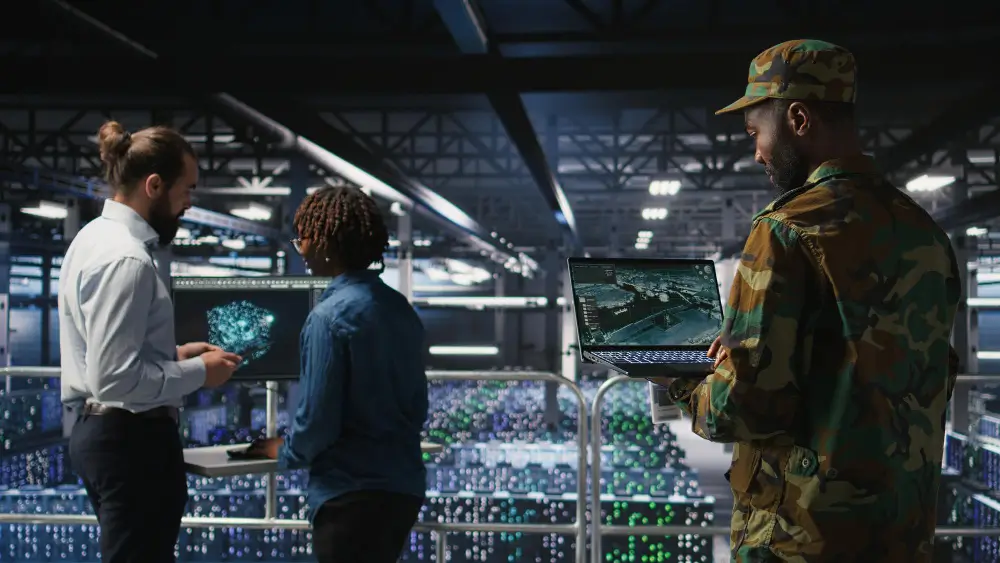
Strong leadership has always been one of the defining strengths of the U.S. Marine Corps. From small-unit operations to large-scale missions, Marine leaders are responsible for making critical decisions, guiding their teams, and maintaining operational effectiveness in challenging environments. As modern military operations become more complex and technology-driven, leadership development is also evolving. Today, data intelligence and workforce analytics are emerging as valuable tools that can support leadership training, identify future leaders, and enhance decision-making capabilities across Marine Corps units. By leveraging talent data and performance insights, the Marine Corps can strengthen its leadership pipeline while maintaining the core values that define the force. Understanding Data Intelligence in Military Leadership Development Data intelligence refers to the use of advanced analytics to collect, analyze, and interpret data in order to generate insights that support better decision-making. In the context of Marine Corps leadership development, data intelligence systems may analyze information such as: Training performance results Physical readiness scores Leadership exercise evaluations Operational performance reports Behavioral and teamwork indicators By examining these data sources together, commanders and training institutions can gain a deeper understanding of how Marines perform in leadership roles. The Importance of Leadership in Marine Corps Operations Marine Corps missions often involve complex operational environments where rapid decision-making and strong leadership are essential. Marine leaders must be capable of: Leading small teams in high-pressure situations Coordinating complex missions Managing diverse operational challenges Maintaining discipline and morale within units Because these responsibilities require specific skills and qualities, identifying and developing effective leaders is a critical priority. Identifying Leadership Potential Through Talent Data One of the most valuable applications of data intelligence in leadership development is the ability to identify Marines who demonstrate strong leadership potential early in their careers. Talent data can reveal patterns that highlight individuals who show strengths such as: Strategic thinking and planning Clear communication and teamwork Decision-making under pressure Adaptability in complex environments These insights help commanders and training officers identify individuals who may be well-suited for future leadership roles. Improving Leadership Training Programs Data intelligence systems can also help improve leadership training programs within the Marine Corps. By analyzing training performance data across units, leadership development programs can identify: Skills that require additional training emphasis Leadership competencies that need improvement Training methods that produce the best results These insights allow training institutions to design programs that better prepare Marines for leadership responsibilities. Supporting Command Decisions with Data Insights Another important benefit of data intelligence is its ability to support command-level decision-making. Analytics platforms can provide leadership with insights into: Individual performance trends over time Leadership readiness among Marines Team dynamics and collaboration patterns Effectiveness of training programs These insights help commanders make more informed decisions regarding promotions, assignments, and leadership responsibilities. Strengthening Team Performance Effective leadership is closely connected to team performance. Data intelligence systems can analyze how Marines interact within teams and identify patterns that influence unit effectiveness. These insights may include: Communication effectiveness within teams Leadership influence during group exercises Conflict resolution capabilities Overall team cohesion Understanding these factors helps commanders build stronger and more effective teams. Developing the Next Generation of Marine Leaders Leadership development is not a one-time process but a continuous effort throughout a Marine’s career. By using data-driven insights, the Marine Corps can: Identify promising leaders earlier Provide targeted mentorship and training opportunities Track leadership development progress over time Prepare Marines for higher levels of responsibility This approach helps ensure a steady pipeline of capable leaders within the force. Maintaining Security and Ethical Standards Because leadership analytics systems rely on sensitive personnel data, maintaining strict security and ethical standards is essential. Marine Corps systems must ensure: Secure storage and encryption of personnel data Controlled access for authorized personnel Compliance with military data protection policies Responsible use of workforce analytics These safeguards help protect sensitive information while maintaining trust within the organization. The Future of Leadership Development in the Marine Corps As artificial intelligence and analytics technologies continue to evolve, the role of data intelligence in leadership development is expected to expand. Future systems may include: AI-assisted leadership assessment tools Real-time performance analytics dashboards Predictive models for leadership readiness Integrated workforce intelligence platforms These innovations will help the Marine Corps better understand its personnel and develop leaders capable of guiding the force through future challenges. Conclusion Leadership remains one of the most important elements of Marine Corps success. By leveraging data intelligence and workforce analytics, the Marine Corps can strengthen leadership development programs, identify future leaders earlier, and support better decision-making across the organization. These data-driven insights complement traditional leadership training and help ensure that the Marine Corps continues to develop capable leaders prepared for the demands of modern military operations.
Talent Optimization for the U.S. Marine Corps: Enhancing Mission Readiness
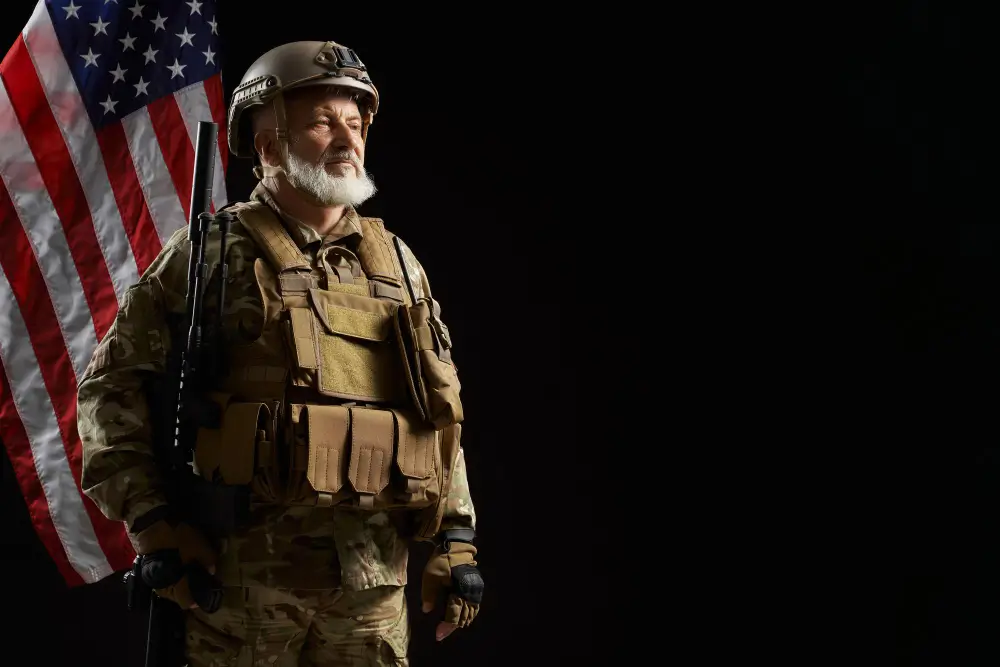
The U.S. Marine Corps is known for its rigorous training, disciplined culture, and highly capable personnel. Marines are often deployed in demanding operational environments where adaptability, teamwork, and rapid decision-making are essential. In such conditions, mission success depends not only on advanced equipment but also on how effectively personnel are trained, managed, and deployed. To strengthen operational performance, modern defense organizations are increasingly exploring talent optimization strategies. By leveraging data analytics, workforce intelligence, and performance insights, the Marine Corps can enhance how Marines are trained, assigned to roles, and developed as leaders. Talent optimization provides a framework that helps ensure the right Marine is placed in the right role at the right time, improving mission readiness and operational effectiveness. Understanding Talent Optimization in the Marine Corps Talent optimization refers to the use of data-driven insights to better understand personnel capabilities and align them with mission requirements. Traditionally, workforce decisions within military organizations have relied on factors such as: Training qualifications Operational experience Command recommendations Rank and promotion history While these factors remain essential, modern talent optimization systems introduce additional insights through data analytics and workforce intelligence. This approach helps leadership gain a deeper understanding of individual performance patterns, strengths, and potential areas for development. The Importance of Human Performance in Marine Operations Marine Corps missions often involve complex operational scenarios, including expeditionary warfare, amphibious operations, and rapid-response deployments. Marines must demonstrate: High physical endurance Strong decision-making abilities Effective teamwork and coordination Technical proficiency with advanced systems Because these missions require diverse skills, understanding human performance is critical for effective workforce management. Talent optimization helps ensure that Marines are assigned roles that match their strengths and capabilities. Using Data to Improve Marine Workforce Management One of the key components of talent optimization is the use of data-driven workforce insights. Marine leadership can analyze multiple data sources, including: Training performance records Physical readiness scores Operational evaluations Technical certifications Leadership assessment results By combining these insights, commanders can gain a clearer picture of how personnel perform and how they may contribute to different operational roles. Improving Personnel Placement and Role Alignment Assigning Marines to roles that align with their abilities is essential for mission effectiveness. Talent optimization systems can support commanders by providing insights into: Physical performance indicators Cognitive strengths and decision-making abilities Technical skill proficiency Leadership potential For example: Marines with strong technical skills may be suited for communications or intelligence roles. Individuals demonstrating strong leadership capabilities may be prepared for command positions. Personnel with exceptional endurance and tactical awareness may excel in combat units. These insights help improve workforce alignment across Marine Corps units. Enhancing Training and Skill Development Talent optimization can also help improve training programs within the Marine Corps. By analyzing training data, leadership can identify: Skill gaps across units Areas where additional training may be required Opportunities to improve training efficiency This allows training programs to be adjusted so Marines can develop the skills needed for modern operational environments. Identifying Future Marine Leaders Leadership development is essential for maintaining a strong and capable Marine Corps. Data-driven workforce analytics can help identify individuals who demonstrate strong leadership traits such as: Strategic thinking Effective communication Decision-making under pressure Team leadership and coordination Early identification of leadership potential allows the Marine Corps to provide targeted mentorship and development opportunities. Strengthening Mission Readiness Mission readiness depends on how effectively Marines are prepared for operational challenges. Talent optimization supports readiness by helping leadership: Align personnel skills with mission requirements Improve training outcomes Identify leadership potential early Optimize team performance When Marines are deployed in roles that match their strengths, operational units become more capable and effective. Security and Ethical Considerations Because workforce analytics systems rely on sensitive personnel data, strong security and ethical standards are essential. Marine Corps workforce systems must ensure: Secure storage and encryption of personnel data Restricted access for authorized personnel only Compliance with military data protection policies Responsible use of performance analytics Maintaining these safeguards ensures that workforce insights are used responsibly and securely. The Future of Talent Optimization in the Marine Corps As artificial intelligence and workforce analytics technologies continue to advance, talent optimization is expected to play a larger role in military workforce management. Future systems may include: AI-assisted personnel assignment tools Real-time readiness monitoring dashboards Predictive leadership development models Integrated workforce analytics platforms These innovations can help the Marine Corps build stronger, more capable teams prepared for the challenges of modern warfare. Conclusion The effectiveness of the U.S. Marine Corps depends on the strength, discipline, and capability of its personnel. By leveraging talent optimization and data-driven workforce insights, the Marine Corps can improve how Marines are trained, assigned to roles, and developed as leaders. These systems help ensure that Marines are placed where they can contribute most effectively, strengthening mission readiness and enhancing operational success across Marine Corps units.
How Data Intelligence Can Support Pilot and Aircrew Performance Optimization
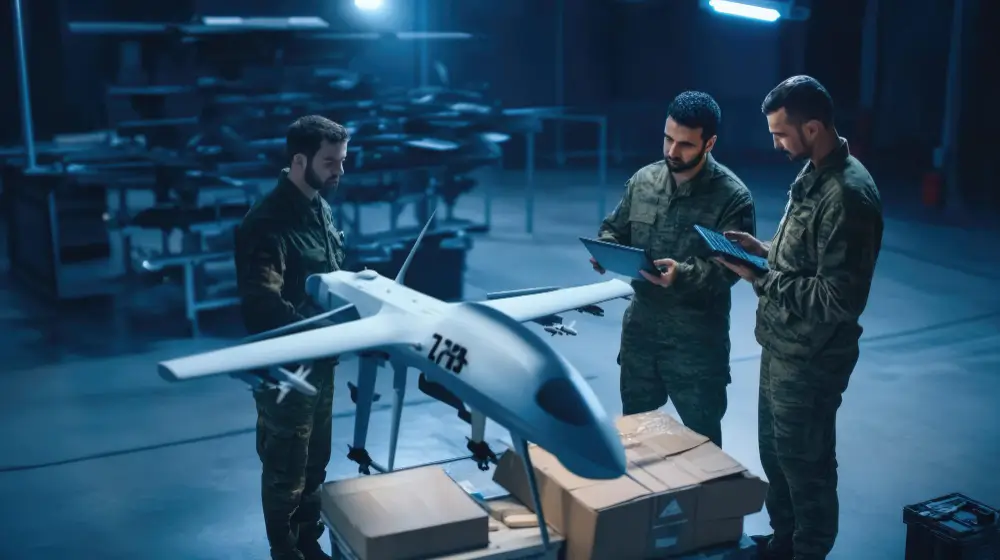
Modern air operations rely heavily on the performance, precision, and decision-making abilities of pilots and aircrew. While aircraft technology continues to evolve with advanced navigation systems, sensors, and automation, the human element remains critical to mission success. To maintain high levels of safety and operational effectiveness, air forces are increasingly exploring data intelligence and performance analytics to better understand how pilots and aircrew perform under different conditions. By using data-driven insights, military aviation organizations can improve training programs, enhance operational readiness, and support pilot and aircrew performance optimization. Understanding Data Intelligence in Military Aviation Data intelligence refers to the process of collecting, analyzing, and interpreting data to generate meaningful insights that support better decision-making. In aviation environments, data intelligence systems analyze multiple sources of information related to pilot and aircrew performance, including: Flight simulation results Training evaluation scores Mission performance data Cognitive and reaction-time assessments Physiological and fatigue indicators When these data points are combined and analyzed, they provide valuable insights into how pilots and aircrew perform in different operational scenarios. The Importance of Human Performance in Aviation Pilots and aircrew operate in highly demanding environments where quick decision-making and situational awareness are essential. During missions, they must: Process complex information quickly Maintain situational awareness in rapidly changing environments Coordinate with ground teams and other aircraft Manage advanced aviation systems Because of these demands, even small improvements in human performance can significantly enhance mission effectiveness and safety. Using Data to Understand Pilot Performance Data intelligence systems can help aviation organizations gain a deeper understanding of pilot performance by analyzing training and operational data. These insights may reveal patterns such as: Decision-making speed in flight simulations Accuracy during navigation or targeting exercises Response to high-stress situations Communication effectiveness within flight teams By studying these patterns, training institutions can better understand how pilots perform and where improvements may be needed. Enhancing Training Programs with Data Analytics One of the most valuable benefits of data intelligence in aviation is the ability to improve training programs. By analyzing performance trends across training cohorts, instructors can identify areas where pilots may need additional support or development. Examples include: Improving reaction time training Enhancing situational awareness exercises Strengthening mission planning skills Developing advanced decision-making scenarios These improvements help ensure that pilots and aircrew are fully prepared for operational missions. Monitoring Fatigue and Physical Readiness Human performance in aviation is closely linked to physical readiness and fatigue management. Data intelligence platforms may analyze physiological indicators such as: Heart rate and stress levels Sleep and recovery patterns Workload during missions Fatigue trends over time Monitoring these indicators helps aviation organizations identify potential risks and ensure that pilots remain physically and mentally prepared for flight operations. Supporting Better Crew Coordination Air missions often rely on teamwork between pilots, co-pilots, and other aircrew members. Data intelligence systems can provide insights into crew coordination and communication patterns, helping training teams evaluate how effectively crews operate together. By analyzing these patterns, aviation units can: Improve team training exercises Enhance communication protocols Build stronger operational teams Effective crew coordination is essential for maintaining safe and successful missions. Identifying High-Potential Aviation Leaders Another advantage of data-driven performance analysis is the ability to identify pilots who demonstrate strong leadership potential. Performance analytics may highlight individuals who show: Strong decision-making abilities Calm responses under pressure Effective communication skills Strategic thinking during missions These insights can support leadership development programs within the Air Force or naval aviation communities. Ensuring Data Security and Ethical Use Because aviation performance systems rely on sensitive operational and personnel data, maintaining strong security protocols is essential. Organizations implementing data intelligence systems must ensure: Secure data storage and encryption Controlled access for authorized personnel Compliance with military data protection policies Ethical use of performance analytics These safeguards help maintain trust and protect sensitive information. The Future of Data-Driven Aviation Performance As artificial intelligence and analytics technologies continue to advance, data intelligence is expected to play an increasingly important role in aviation performance optimization. Future aviation workforce systems may include: Real-time performance monitoring dashboards AI-assisted training recommendations Predictive models for pilot readiness Integrated analytics across aviation units These innovations will allow aviation organizations to better understand human performance and improve mission outcomes. Conclusion Pilots and aircrew are among the most critical assets in modern air operations. By leveraging data intelligence and performance analytics, military aviation organizations can gain deeper insights into how personnel perform and how to support their development. Through improved training programs, fatigue monitoring, and team coordination insights, data-driven systems can enhance pilot and aircrew performance optimization, strengthen operational readiness, and contribute to safer and more effective air missions.

Predictive Human Performance Modeling for Air Force Personnel
Modern air operations depend on highly trained personnel capable of performing under intense pressure and rapidly changing operational conditions. From pilots and intelligence analysts to maintenance engineers and cyber specialists, every role in the Air Force requires a unique combination of physical capability, cognitive performance, and technical expertise. To better understand and optimize these capabilities, defense organizations are increasingly exploring predictive human performance modeling. By using advanced analytics, artificial intelligence, and performance data, the Air Force can gain deeper insights into how personnel perform and how to improve mission readiness. Predictive human performance modeling helps leaders anticipate performance outcomes, enhance training programs, and ensure that airmen are placed in roles where they can perform most effectively. What Is Predictive Human Performance Modeling? Predictive human performance modeling is the process of using data analytics and machine learning to evaluate and forecast how individuals may perform in different roles, environments, or mission scenarios. This approach analyzes multiple factors that influence performance, including: Physical readiness and endurance Cognitive abilities and decision-making skills Training performance and technical proficiency Behavioral patterns and stress responses Leadership potential and teamwork abilities By studying these factors, predictive models can identify patterns that help forecast how individuals may perform under operational conditions. Why Human Performance Matters in the Air Force Air Force operations involve complex systems, advanced technologies, and mission-critical decision-making. Personnel must often perform in demanding environments where accuracy and speed are essential. Examples include: Pilots making rapid decisions during flight operations Intelligence analysts interpreting large volumes of data Engineers maintaining critical aircraft systems Cyber specialists defending digital infrastructure Because these roles require different capabilities, understanding human performance is essential for effective workforce management. Predictive modeling helps ensure that airmen are prepared for these challenges. Data Sources for Human Performance Modeling Predictive performance systems rely on data collected from multiple sources across training and operational environments. Key data sources may include: Training evaluation scores Flight simulation performance Technical certification results Cognitive and reaction-time assessments Leadership evaluation reports Operational performance metrics When analyzed together, these data points provide a comprehensive picture of an individual’s strengths and development needs. Using AI to Analyze Performance Data Artificial intelligence plays an important role in predictive performance modeling. AI systems can analyze large datasets and identify trends that might otherwise remain unnoticed. AI-powered analytics platforms can help: Identify individuals who demonstrate exceptional performance potential Predict training success rates Evaluate how personnel may perform in specific roles Highlight areas where additional training may be needed These insights allow leadership to make more informed workforce decisions. Improving Training Through Performance Insights Predictive human performance modeling can also help improve training programs across the Air Force. By analyzing training outcomes, leadership can identify patterns such as: Skills that require additional training emphasis Training modules that may need improvement Individual learning strengths and weaknesses With these insights, training programs can be adapted to better prepare personnel for operational roles. Supporting Better Personnel Placement One of the most valuable applications of predictive performance modeling is personnel placement optimization. By analyzing performance data and capability profiles, the Air Force can better understand which roles may suit specific individuals. Examples include: High spatial awareness → Pilot or navigation roles Strong analytical thinking → Intelligence or cyber operations Advanced technical expertise → Engineering or maintenance roles Leadership indicators → Command or supervisory positions This helps ensure that airmen are placed in positions where they can contribute most effectively. Identifying Future Leaders Leadership development is another important application of predictive performance analytics. By analyzing behavioral and performance indicators, predictive models can help identify individuals with strong leadership potential early in their careers. These insights allow the Air Force to: Provide targeted leadership training Assign mentorship opportunities Prepare officers for command responsibilities This helps maintain a strong leadership pipeline across the organization. Enhancing Mission Readiness Mission readiness depends on the ability of personnel to perform effectively in demanding environments. Predictive performance modeling supports readiness by helping leadership better understand workforce capabilities. Benefits include: Improved personnel placement decisions More effective training programs Early identification of skill gaps Better preparation for mission challenges These insights contribute to stronger operational performance across Air Force units. Security and Ethical Considerations Because predictive performance modeling relies on sensitive personnel data, strong safeguards are necessary to ensure responsible use. Air Force systems must maintain: Secure storage and encryption of performance data Strict access controls for authorized personnel Compliance with military data protection regulations Ethical use of analytics technologies Maintaining trust and transparency is essential when implementing advanced workforce analytics systems. The Future of Human Performance Analytics in the Air Force As artificial intelligence and analytics technologies continue to advance, predictive performance modeling will likely play an increasingly important role in military workforce management. Future systems may include: Real-time performance monitoring platforms AI-driven career development insights Predictive leadership readiness models Integrated analytics across Air Force units These technologies will help the Air Force better understand its workforce and enhance mission performance. Conclusion Human performance is a critical component of modern air operations. By leveraging predictive human performance modeling, the Air Force can gain valuable insights into personnel capabilities, improve training programs, and support smarter workforce decisions. Through the integration of artificial intelligence, workforce analytics, and performance data, the Air Force can enhance operational readiness and ensure that its personnel are prepared to meet the challenges of modern defense missions.
Using Predictive Analytics to Plan Long-Term Military Career Development
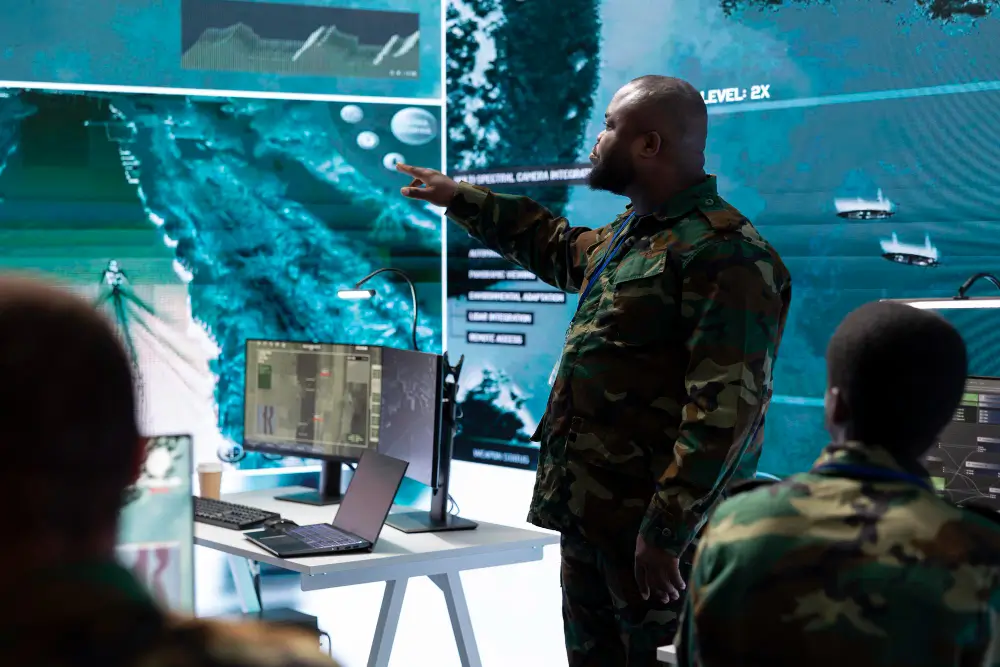
Military careers often span decades and involve a wide range of assignments, training programs, and leadership responsibilities. From the early stages of service to senior leadership roles, personnel development plays a crucial role in maintaining a capable and mission-ready force. Traditionally, career planning within military organizations has relied on performance evaluations, operational experience, and leadership recommendations. While these factors remain essential, advances in predictive analytics and workforce intelligence now provide new opportunities to support long-term career development in a more data-driven way. By analyzing performance trends, training outcomes, and behavioral indicators, predictive analytics can help military organizations better understand how service members develop over time and guide their career paths more effectively. Understanding Predictive Analytics in Military Workforce Management Predictive analytics uses statistical models, artificial intelligence, and historical data to forecast future outcomes. In the context of military workforce planning, predictive analytics helps analyze large volumes of personnel data to identify patterns related to performance, leadership potential, and skill development. These systems can process data from multiple sources such as: Training performance records Operational mission evaluations Technical certification achievements Leadership assessments Behavioral and teamwork indicators By examining these data points together, predictive models can generate insights into how service members may perform in future roles. Supporting Long-Term Career Planning A military career typically progresses through several stages, including: Initial training and early assignments Specialized skill development Mid-career leadership roles Senior leadership and command responsibilities Predictive analytics can help support career planning by identifying how individuals develop during each stage of service. These insights can help leadership determine: Which training opportunities may benefit specific individuals When service members may be ready for leadership roles Which assignments could support long-term career development This allows military organizations to plan career progression more strategically. Identifying Leadership Potential Early One of the most valuable applications of predictive analytics is identifying leadership potential earlier in a service member’s career. By analyzing performance trends and behavioral indicators, predictive models can highlight individuals who demonstrate leadership qualities such as: Strategic thinking and planning Effective communication Decision-making under pressure Team coordination and mentorship Early identification of leadership potential allows military organizations to provide targeted training and mentorship opportunities that help prepare future leaders. Improving Training and Skill Development Predictive analytics can also help improve training programs by identifying skill gaps and development needs. By analyzing training performance across units, leadership can identify patterns such as: Training modules that may require improvement Skills that require additional focus Personnel who may benefit from specialized training programs These insights help ensure that training resources are used efficiently while supporting long-term career development. Supporting Promotion and Assignment Decisions Promotion and assignment decisions are critical milestones in military careers. Predictive analytics can provide additional insights that help leadership evaluate personnel readiness for increased responsibility. Analytics systems can track performance trends over time, helping leadership assess factors such as: Consistency of performance across assignments Leadership behavior during operational missions Adaptability to new roles and challenges Technical expertise in specialized areas These insights help commanders make more informed decisions regarding promotions and career advancement. Strengthening Workforce Planning Predictive analytics can also support broader military workforce planning efforts by forecasting future leadership needs and workforce trends. For example, predictive models may help identify: Potential shortages in specialized skill areas Future leadership requirements within units Workforce attrition trends over time Emerging skills needed for modern defense operations These insights allow military organizations to plan recruitment, training, and career development strategies more effectively. Enhancing Organizational Readiness When service members are guided toward roles that align with their strengths and development goals, the entire organization benefits. Predictive analytics supports readiness by helping ensure that: Personnel are prepared for leadership responsibilities Skills are aligned with mission requirements Training programs remain relevant to operational needs Workforce resources are used efficiently These improvements help maintain a strong and adaptable military force. Security and Ethical Considerations Because predictive analytics systems rely on sensitive personnel data, strong security and ethical standards are essential. Military organizations implementing these systems must ensure: Secure storage and encryption of personnel data Controlled access for authorized personnel only Compliance with military data protection regulations Responsible and transparent use of predictive technologies These safeguards help protect sensitive information while maintaining trust within the organization. The Future of Data-Driven Military Career Development As artificial intelligence and workforce analytics technologies continue to evolve, predictive analytics is expected to play an increasingly important role in military career development. Future systems may include: AI-assisted career planning platforms Predictive leadership development models Real-time workforce readiness dashboards Integrated analytics across military branches These technologies will help military organizations better understand their personnel and guide career progression more effectively. Conclusion Long-term career development is essential for building capable leaders and maintaining a strong military workforce. By leveraging predictive analytics and workforce intelligence, military organizations can gain deeper insights into personnel performance and development patterns. These data-driven systems help support smarter career planning, improve training programs, and guide promotion decisions—ensuring that service members are prepared for success throughout their military careers.