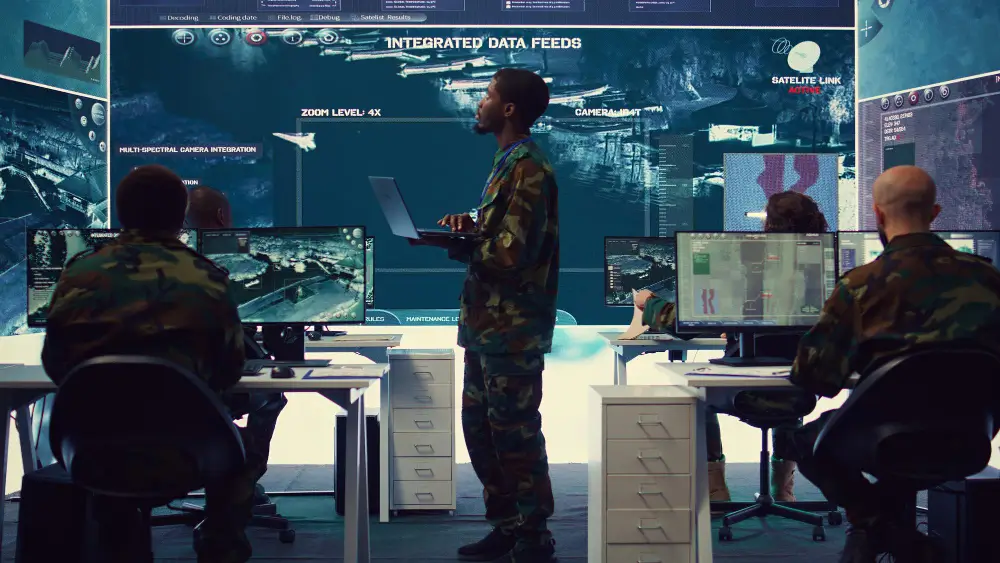
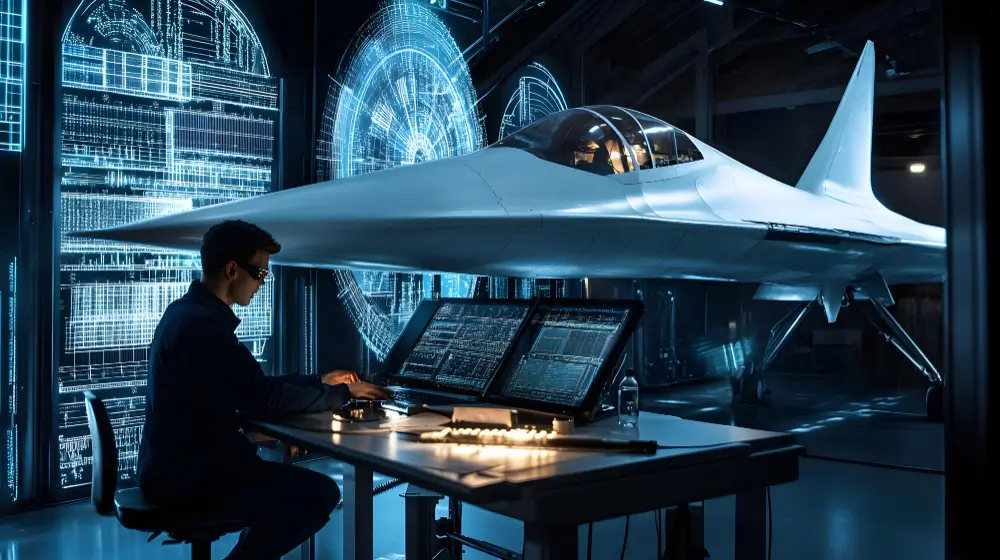
Modern air forces operate in a rapidly evolving environment where advanced technology, strategic planning, and highly skilled personnel must work together seamlessly. While aircraft systems and defense technologies continue to improve, effective workforce management remains a critical factor in maintaining operational superiority.
To address these challenges, the U.S. Air Force is increasingly exploring the use of AI-driven workforce planning. By combining artificial intelligence, predictive analytics, and workforce intelligence systems, the Air Force can better understand its personnel capabilities and prepare for future mission demands.
AI-powered workforce planning helps ensure that the right people with the right skills are available at the right time.
Understanding Workforce Planning in the Air Force
Workforce planning involves forecasting personnel needs, managing recruitment, training individuals, and assigning airmen to roles that support operational objectives.
Traditionally, Air Force workforce planning has relied on factors such as:
- Personnel experience and qualifications
- Training completion records
- Rank and promotion history
- Operational requirements
While these methods remain effective, modern operations generate vast amounts of workforce data that can be analyzed using advanced technologies.
This is where AI-driven workforce planning systems can significantly enhance decision-making.
The Role of Artificial Intelligence in Workforce Planning
Artificial intelligence allows organizations to process large volumes of data and identify patterns that support better planning decisions.
Within the Air Force, AI can analyze data from multiple sources, including:
- Training performance metrics
- Technical certifications
- Operational readiness scores
- Career progression data
- Leadership evaluations
By examining these datasets, AI systems can generate insights that help leadership understand workforce strengths and future requirements.
Predicting Future Workforce Needs
One of the most valuable capabilities of AI-driven workforce planning is the ability to forecast future staffing needs.
Predictive analytics models can analyze historical trends and operational data to anticipate challenges such as:
- Skill shortages in specialized roles
- Training capacity limitations
- Personnel turnover rates
- Emerging technology skill requirements
With these insights, Air Force leadership can plan recruitment and training strategies well in advance.
Improving Personnel Placement
AI-driven workforce systems can also support smarter personnel assignments.
By analyzing performance data and skill profiles, AI models can recommend placements that align with individual strengths and mission needs.
For example:
- Airmen with strong analytical skills may be suited for intelligence operations.
- Personnel with advanced technical expertise may be placed in engineering or maintenance roles.
- Individuals with leadership potential may be guided toward command positions.
These recommendations support commanders in making more informed personnel decisions.
Enhancing Training and Skill Development
Another key advantage of AI-powered workforce planning is the ability to improve training programs.
By analyzing training performance data across the force, AI systems can identify:
- Skills that require additional training emphasis
- Training programs that may need improvement
- Emerging technical competencies required for future missions
This helps ensure that airmen receive the training necessary to operate increasingly sophisticated defense systems.
Supporting Leadership Development
Developing effective leaders is essential for maintaining a strong Air Force.
AI-driven workforce intelligence platforms can analyze performance trends and behavioral indicators to help identify individuals with strong leadership potential.
These insights allow the Air Force to:
- Provide targeted leadership training programs
- Assign mentorship opportunities
- Prepare officers for higher levels of responsibility
Early identification of leadership potential strengthens the long-term effectiveness of the Air Force leadership pipeline.
Improving Mission Readiness
Operational readiness depends on having the right personnel available with the necessary skills and training.
AI-driven workforce planning supports readiness by:
- Aligning workforce capabilities with mission requirements
- Reducing personnel mismatches
- Ensuring training programs remain relevant
- Supporting faster decision-making in workforce management
These improvements help ensure that operational units remain prepared to respond to evolving mission demands.
Security and Ethical Considerations
Because workforce planning systems rely on sensitive personnel data, strong security and ethical standards are essential.
Air Force workforce analytics systems must ensure:
- Secure storage and encryption of personnel data
- Controlled access for authorized personnel
- Compliance with military data protection regulations
- Responsible and transparent use of AI technologies
These safeguards ensure that workforce insights are used securely and responsibly.
The Future of AI in Air Force Workforce Planning
As artificial intelligence technologies continue to evolve, their role in workforce planning is expected to expand.
Future Air Force workforce systems may include:
- Real-time personnel readiness dashboards
- AI-assisted assignment recommendation tools
- Predictive models for leadership development
- Integrated workforce analytics platforms across commands
These innovations will allow the Air Force to manage its workforce more effectively while adapting to changing operational requirements.
Conclusion
The effectiveness of modern air operations depends not only on advanced aircraft and technology but also on how well personnel are managed and developed. AI-driven workforce planning provides powerful tools for understanding workforce capabilities, forecasting future needs, and supporting smarter personnel decisions.
By leveraging artificial intelligence and workforce analytics, the U.S. Air Force can improve mission readiness, enhance leadership development, and ensure that its personnel are prepared to meet the challenges of modern defense operations.