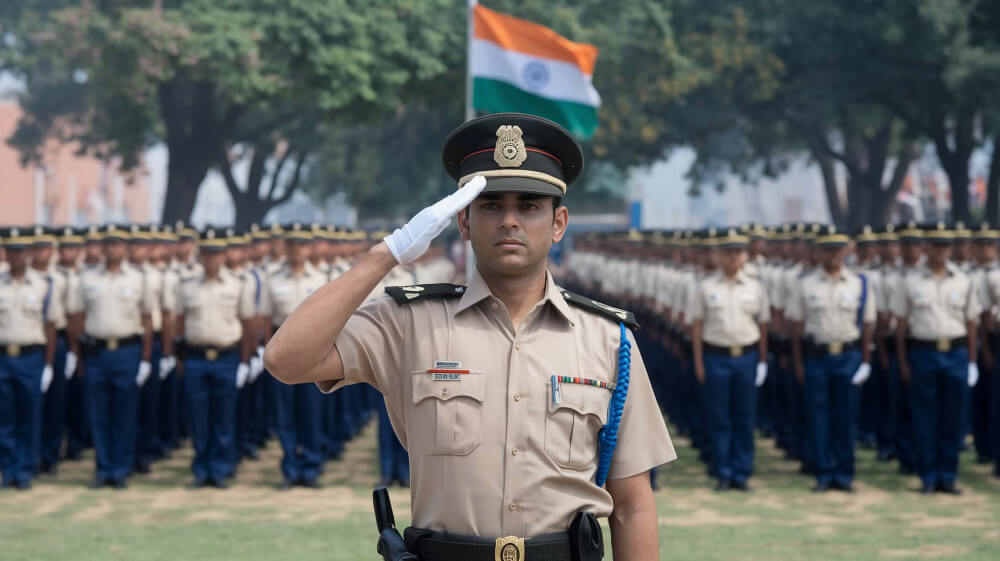
Becoming an officer in the Indian Army has always required exceptional leadership, discipline, intelligence, and physical strength. Institutions like the National Defence Academy (NDA) and the Indian Military Academy (IMA) have long been known for developing some of the finest military leaders in the world.
However, the nature of warfare and defense leadership is evolving. Modern battlefields require officers who can combine traditional leadership qualities with technology, data awareness, and rapid decision-making.
This is where artificial intelligence (AI) and advanced analytics are beginning to play an important role in shaping the future of NDA training and officer development.
The Changing Role of Military Officers
In the past, military leadership focused primarily on:
- Physical endurance
- Tactical knowledge
- Field command abilities
While these qualities remain essential, today’s officers must also be capable of managing complex technologies, data-driven systems, and multi-domain operations.
Modern officers are expected to:
- Make rapid decisions in high-pressure environments
- Manage advanced military technologies
- Lead highly specialized teams
- Adapt quickly to changing operational conditions
To support these evolving responsibilities, military training programs are gradually incorporating AI-powered learning tools and analytics-based evaluation systems.
How AI Can Improve NDA Training
AI technologies have the potential to enhance several aspects of NDA training, helping cadets develop leadership and decision-making abilities more effectively.
These technologies may include:
- Performance analytics platforms
- Cognitive training simulations
- Leadership assessment tools
- AI-supported learning modules
By analyzing training performance and behavioral patterns, AI systems can help instructors identify areas where cadets may need additional guidance or support.
Data-Driven Leadership Development
One of the most valuable applications of AI in officer training is leadership analysis.
Through advanced analytics, training programs may be able to evaluate:
- Decision-making speed and accuracy
- Team leadership behavior
- Stress management during complex tasks
- Communication effectiveness
These insights allow instructors to provide targeted leadership training, helping cadets strengthen the skills required for commanding troops in real-world situations.
AI-Based Tactical Simulations
Military training often includes simulated combat exercises that prepare cadets for operational environments.
With AI-powered simulation systems, training scenarios can become significantly more realistic.
AI-driven simulations may include:
- Dynamic battlefield scenarios
- Adaptive enemy behavior
- Real-time decision feedback
- Strategic planning exercises
These simulations allow cadets to experience complex operational situations and practice leadership under pressure.
Improving Decision-Making Skills
One of the most important qualities of a military officer is the ability to make quick and accurate decisions.
AI-powered cognitive training tools can help cadets improve skills such as:
- Situational awareness
- Strategic thinking
- Risk assessment
- Reaction time
By analyzing performance in decision-making exercises, instructors can guide cadets toward improved tactical judgment.
Monitoring Physical and Mental Readiness
Leadership in the military requires both physical endurance and mental resilience.
Wearable devices and health monitoring technologies may help training institutions track factors such as:
- Physical fitness levels
- Stress and fatigue patterns
- Recovery and sleep quality
- Training workload intensity
These insights can help ensure that cadets maintain peak readiness throughout their training.
Preparing Officers for Technology-Driven Warfare
Modern military operations involve advanced technologies such as:
- Unmanned systems
- Cyber defense platforms
- AI-powered intelligence tools
- Advanced communication networks
Future officers must understand how to integrate these technologies into operational planning.
Training programs that incorporate AI-supported education and simulation systems can help prepare officers for these technologically advanced environments.
Benefits for NDA Aspirants and Future Officers
The integration of AI and advanced analytics into officer training offers several advantages.
Better Leadership Development
AI-based analysis helps instructors identify leadership strengths and areas for improvement.
Enhanced Tactical Training
Realistic simulations allow cadets to experience complex battlefield situations before entering active service.
Faster Skill Improvement
Data-driven insights help cadets improve their performance more quickly.
Stronger Operational Readiness
Technology-supported training prepares officers for the realities of modern warfare.
Technology Enhances Military Leadership
While advanced technologies can improve training, they do not replace the traditional values of military leadership.
The foundations of officer training remain:
- Discipline
- Courage
- Integrity
- Responsibility toward soldiers and the nation
Technology simply acts as a tool that strengthens these leadership qualities.
The Future of NDA and Officer Training
As artificial intelligence and advanced analytics continue to develop, officer training programs may evolve to include more technology-assisted learning and performance analysis.
Future training systems could include:
- AI-powered leadership assessment platforms
- Real-time performance analytics dashboards
- Advanced battlefield simulation environments
- Personalized leadership development programs
These innovations could help produce officers who are strategically intelligent, technologically skilled, and operationally effective.
Final Thoughts
The future of military leadership will combine traditional values with modern technology. By integrating AI in military training, performance analytics, and advanced simulations, institutions like the NDA and IMA can continue to develop highly capable officers prepared for modern defense challenges.
For NDA aspirants and future officers, this means training that is not only physically demanding but also strategically intelligent and technologically advanced.
As defense technology evolves, the next generation of Indian Army officers will be equipped to lead with strength, intelligence, and innovation.