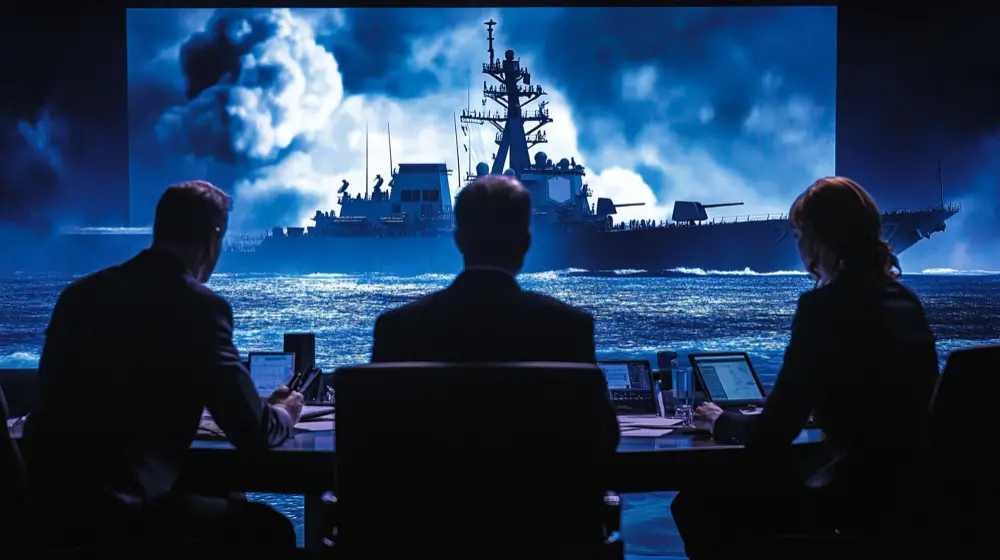
Operational readiness is a critical priority for modern naval forces. With increasingly complex missions, advanced technologies, and global operational demands, the ability to effectively manage and deploy personnel has become essential.
Today, navy talent management is evolving through the use of advanced analytics, artificial intelligence, and data-driven workforce strategies. These innovations help ensure that the right personnel are placed in the right roles to maximize mission readiness and operational efficiency.
Understanding Navy Talent Management
Navy talent management refers to the systems and strategies used to recruit, train, develop, and assign naval personnel. Traditionally, personnel decisions relied heavily on experience, evaluations, and command recommendations.
While these methods remain valuable, modern workforce systems are increasingly incorporating data-driven insights to improve decision-making. By analyzing skills, performance data, and training outcomes, naval leadership can better understand the capabilities of their workforce.
Effective talent management ensures that sailors are deployed in roles where they can contribute most effectively to operational success.
The Importance of Navy Workforce Optimization
Modern naval operations require highly specialized skills across a wide range of roles, from technical operations and navigation to cybersecurity and leadership positions.
Navy workforce optimization focuses on improving how personnel are allocated and managed across these roles.
Workforce optimization can help:
- Match sailors with positions aligned with their skills
- Improve training efficiency and career development
- Strengthen team performance within operational units
- Ensure mission-critical roles are filled with qualified personnel
By optimizing workforce deployment, the Navy can maintain higher levels of readiness across its fleets and operational commands.
Using Military Readiness Analytics
Another important element of modern naval workforce management is military readiness analytics. This approach uses data analysis to assess and monitor the readiness levels of personnel and units.
Readiness analytics may include insights related to:
- Training completion rates
- Physical readiness and performance
- Technical skill proficiency
- Operational experience
- Leadership capability
By analyzing these factors, naval leaders can gain a clearer understanding of the readiness status of their personnel and identify areas that may require additional training or support.
The Role of Defense Talent Systems
Advanced defense talent systems are helping military organizations modernize how they manage personnel data. These systems integrate information from multiple sources to create a comprehensive view of workforce capabilities.
Defense talent systems can support:
Strategic Workforce Planning
Leadership can identify future staffing needs and plan recruitment or training programs accordingly.
Skill Identification
Advanced analytics can highlight specialized skills within the workforce that may otherwise go unnoticed.
Leadership Development
Talent intelligence platforms can help identify individuals with strong leadership potential.
Personnel Deployment
Commanders can make better-informed decisions when assigning sailors to missions or operational units.
Benefits of Talent Optimization in the Navy
Implementing modern navy talent management strategies supported by analytics and AI can provide significant advantages.
Improved Operational Readiness
When personnel are matched to roles that align with their strengths, naval units operate more efficiently.
Better Workforce Utilization
Talent optimization ensures that specialized skills are fully utilized across the force.
Faster Personnel Decisions
Data-driven insights allow leadership to make quicker and more informed decisions about assignments and promotions.
Enhanced Career Development
Sailors benefit from clearer career pathways and better opportunities for professional growth.
Challenges in Implementing Data-Driven Workforce Systems
While talent optimization provides many benefits, implementing advanced workforce systems also presents challenges.
Some key considerations include:
- Integrating data from multiple personnel systems
- Ensuring data accuracy and consistency
- Protecting sensitive personnel information
- Training leadership to interpret and use analytics insights effectively
Addressing these challenges is essential for successfully implementing modern talent management solutions.
The Future of Navy Workforce Management
As technology continues to evolve, navy workforce optimization will become increasingly data-driven and predictive. Emerging technologies such as artificial intelligence, machine learning, and advanced analytics will allow the Navy to better understand workforce capabilities and future operational needs.
Future developments may include:
- AI-driven personnel placement systems
- Predictive analytics for workforce planning
- Integrated performance monitoring platforms
- Data-driven leadership development programs
These innovations will help ensure that naval forces remain prepared to meet the challenges of modern defense operations.
Conclusion
Modern naval operations require a workforce that is skilled, adaptable, and mission-ready. By leveraging navy talent management, navy workforce optimization, military readiness analytics, and advanced defense talent systems, the U.S. Navy can enhance operational readiness and improve workforce effectiveness.
Data-driven talent optimization enables naval leaders to deploy personnel more strategically, strengthen leadership development, and ensure that operational units remain prepared for the demands of modern maritime missions.