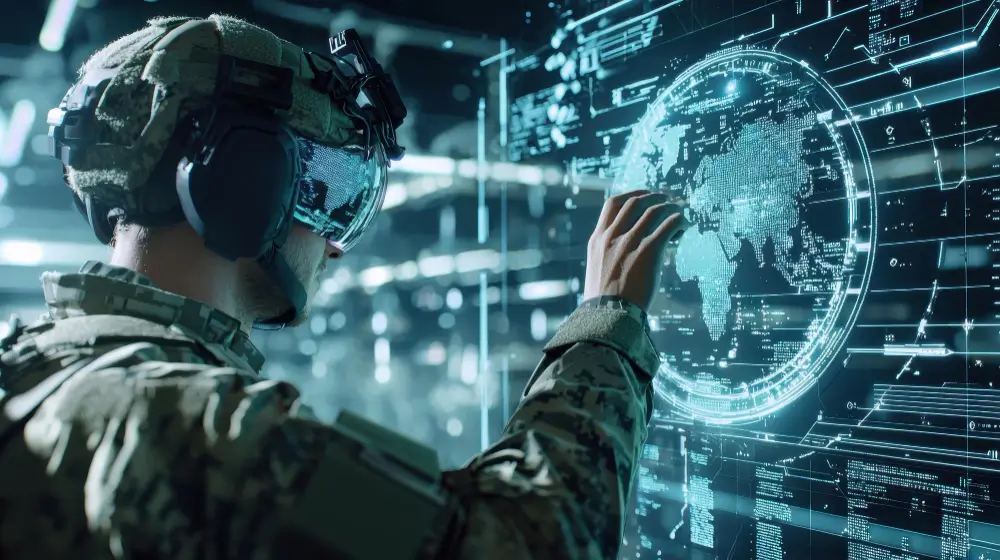
Modern military operations require highly capable personnel who can adapt quickly to complex and rapidly changing environments. Managing a large and diverse military workforce has always been a challenge, especially when trying to match soldiers with roles that best utilize their skills and abilities.
Today, advances in artificial intelligence and data analytics are transforming army workforce management by providing new ways to understand, evaluate, and optimize human performance across the force.
Understanding Army Workforce Management
Army workforce management refers to the systems and strategies used to recruit, train, assign, and develop military personnel. Traditionally, workforce management relied heavily on manual processes, performance evaluations, and leadership assessments.
While these methods remain important, they may not fully capture the complex factors that influence soldier performance. Modern workforce strategies now incorporate data-driven technologies to improve personnel decisions and overall operational effectiveness.
With the help of advanced analytics tools, military leaders can gain deeper insights into workforce capabilities and readiness.
The Role of AI in the Military Workforce
Artificial intelligence is playing an increasingly important role in shaping the future of the AI military workforce. AI-powered systems can process large volumes of workforce data and identify patterns that would be difficult to detect through traditional analysis.
AI technologies can support workforce management in several ways:
Smart Personnel Placement
AI can analyze skills, training records, and performance data to recommend optimal role assignments.
Predictive Workforce Planning
Machine learning models can forecast future workforce needs and identify potential skill shortages.
Performance Forecasting
AI systems can evaluate past performance data to predict how soldiers might perform in specific roles or missions.
Career Development Insights
AI-driven tools can help identify leadership potential and guide career development pathways.
By leveraging these capabilities, military organizations can improve decision-making and optimize how personnel are deployed.
Human Performance Analytics in the Military
A key component of modern workforce management is human performance analytics in the military. This approach involves analyzing data related to physical fitness, cognitive performance, behavioral patterns, and training outcomes.
Human performance analytics helps the Army better understand how soldiers perform under different conditions and what factors influence their effectiveness.
Important performance indicators may include:
- Physical readiness and endurance
- Cognitive decision-making ability
- Stress resilience and recovery
- Training performance and skill acquisition
- Leadership and teamwork capabilities
By analyzing these indicators, military leaders can gain a comprehensive understanding of individual and team performance.
Defense Workforce Optimization Through Data
Combining AI with performance analytics enables defense workforce optimization, a strategy that focuses on improving the effectiveness of military personnel through better data insights.
Defense workforce optimization can support:
Better Talent Deployment
Assigning soldiers to roles that align with their strengths improves operational performance.
Improved Training Programs
Data insights help identify training gaps and develop targeted programs to enhance skills.
Stronger Leadership Development
Analytics can highlight individuals with strong leadership potential and support their growth.
Increased Operational Readiness
Optimized workforce planning ensures units are prepared to respond to mission demands.
The Benefits of AI-Driven Workforce Management
The integration of AI and performance analytics into army workforce management provides several important benefits.
Faster and More Accurate Decision-Making
AI systems analyze large datasets quickly, allowing leadership to make informed personnel decisions.
Improved Workforce Utilization
Data insights help ensure that soldiers’ skills and talents are fully utilized.
Enhanced Mission Readiness
Optimized workforce planning improves the ability of military units to respond effectively to operational challenges.
Long-Term Career Development
Analytics-driven insights can support better career planning and leadership development throughout a soldier’s service.
Challenges and Considerations
While AI and analytics offer powerful advantages, implementing these technologies in military workforce systems requires careful planning.
Key considerations include:
- Ensuring data accuracy and reliability
- Integrating data from multiple systems
- Protecting sensitive personnel information
- Training leaders to effectively use analytics tools
Addressing these challenges is essential for maximizing the benefits of data-driven workforce management.
The Future of Military Workforce Management
As artificial intelligence and analytics technologies continue to evolve, the future of army workforce management will become increasingly data-driven and predictive.
Future developments may include:
- Real-time workforce performance dashboards
- AI-guided career path planning
- Advanced predictive models for leadership development
- Integrated talent intelligence systems across defense organizations
These innovations will allow military leaders to manage their workforce more strategically and build stronger, more capable units.
Conclusion
The future of army workforce management is being shaped by artificial intelligence and advanced analytics technologies. By leveraging human performance analytics in the military, AI-driven insights, and defense workforce optimization strategies, military organizations can make smarter personnel decisions and enhance operational effectiveness.
As these technologies continue to develop, they will play a critical role in helping the Army build a more agile, capable, and mission-ready workforce.