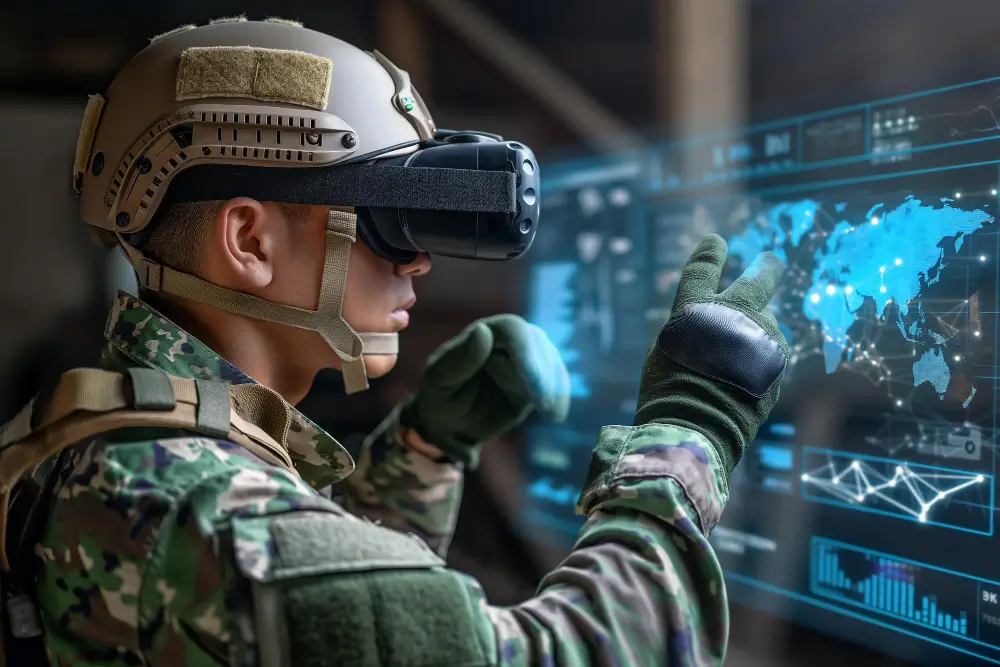
Modern military operations demand high levels of readiness, adaptability, and performance from soldiers. As missions become more complex and technology-driven, the ability to monitor, analyze, and enhance soldier capabilities has become increasingly important.
Today, soldier performance analytics powered by predictive intelligence is helping military organizations improve readiness, identify strengths and weaknesses, and ensure soldiers are fully prepared for operational challenges.
Understanding Soldier Performance Analytics
Soldier performance analytics involves collecting and analyzing data related to a soldier’s physical, cognitive, and behavioral performance. This data helps commanders and decision-makers understand how individuals and teams perform under different conditions.
Key performance factors that can be analyzed include:
- Physical endurance and fitness levels
- Cognitive performance and decision-making ability
- Stress tolerance and recovery rates
- Training outcomes and skill proficiency
- Leadership potential and teamwork capability
By leveraging this data, military leaders can gain deeper insights into the readiness of their personnel and take proactive steps to improve performance.
The Role of Army Readiness Technology
Advancements in army readiness technology have made it possible to collect real-time data on soldier health, performance, and readiness levels. Technologies such as wearable sensors, training analytics platforms, and performance monitoring systems provide valuable information that was previously unavailable.
These technologies allow the Army to:
- Track physical performance during training exercises
- Monitor fatigue and recovery levels
- Identify potential injury risks
- Evaluate skill development over time
When integrated with predictive analytics systems, this data can help forecast future performance and readiness trends.
Military Performance Monitoring in Modern Defense Systems
Military performance monitoring plays a critical role in maintaining operational readiness. Continuous monitoring helps ensure that soldiers remain physically and mentally prepared for demanding missions.
Performance monitoring systems can support:
Training Optimization
Data-driven insights allow trainers to design programs that address specific skill gaps and improve overall effectiveness.
Early Risk Detection
Monitoring systems can detect signs of fatigue, stress, or declining performance, allowing leadership to intervene before problems escalate.
Improved Operational Planning
Commanders can assess the readiness of their units more accurately and deploy personnel more effectively.
Using Army Workforce Analytics to Strengthen Readiness
Another important component of predictive talent intelligence is army workforce analytics. This approach focuses on analyzing workforce data to optimize how soldiers are trained, assigned, and developed throughout their careers.
Workforce analytics can help military organizations:
- Identify high-performing individuals
- Determine optimal team compositions
- Predict workforce shortages
- Improve talent deployment strategies
By understanding how individual performance contributes to overall unit effectiveness, the Army can create stronger and more capable teams.
Predictive Intelligence for Future Military Operations
Predictive analytics uses historical data and machine learning models to forecast future outcomes. In the context of military readiness, predictive intelligence can help anticipate performance challenges before they occur.
Examples include:
- Predicting training success rates
- Identifying soldiers likely to excel in leadership roles
- Forecasting physical readiness levels across units
- Anticipating skill gaps that may impact mission success
This forward-looking approach allows military organizations to plan more effectively and maintain a higher level of operational readiness.
Benefits of Data-Driven Soldier Readiness
Implementing soldier performance analytics and predictive intelligence can deliver several key benefits for the Army.
Enhanced Operational Effectiveness
Data-driven insights ensure soldiers are deployed where their strengths can contribute most effectively.
Improved Training Programs
Performance data helps trainers design targeted programs that address individual and team needs.
Better Health and Injury Prevention
Continuous monitoring can identify fatigue or injury risks early, helping reduce long-term health issues.
Stronger Leadership Development
Analytics can highlight individuals with leadership potential and support their career progression.
The Future of Army Readiness Technology
As technology continues to evolve, the integration of AI, predictive analytics, and advanced monitoring systems will play an even greater role in military readiness.
Future developments may include:
- AI-driven readiness dashboards for commanders
- Real-time soldier performance monitoring platforms
- Integrated analytics systems across military units
- Predictive models for long-term workforce planning
These innovations will enable military leaders to make more informed decisions and maintain a highly prepared and resilient force.
Conclusion
Improving soldier readiness requires more than traditional training and evaluation methods. By leveraging soldier performance analytics, army readiness technology, and military performance monitoring, the Army can gain deeper insights into the capabilities of its workforce.
Predictive talent intelligence allows military organizations to anticipate challenges, optimize training, and deploy soldiers more effectively. As data-driven systems continue to evolve, they will play a critical role in ensuring that the Army remains prepared to meet the demands of modern defense operations.