Modern military training is evolving rapidly as new technologies help improve soldier performance, reduce injuries, and optimize training outcomes. While traditional training systems have produced highly capable soldiers for decades, emerging technologies such as artificial intelligence, wearable devices, and data analytics are creating opportunities to enhance training even further.
A proposed AI-driven soldier optimization pilot program explores how technology could support better recruitment insights, smarter training methods, and improved role assignment within the Indian Army.
This pilot program would combine wearable monitoring, cognitive testing, performance analytics, and command-level dashboards to evaluate how data-driven insights can improve training outcomes.
The Need for Smarter Soldier Training
Indian Army training programs are known for their discipline, intensity, and effectiveness. However, traditional training systems generally apply the same structure to all recruits.
In reality, every soldier has different strengths:
- Some recruits excel in endurance and physical performance
- Others demonstrate strong decision-making abilities
- Some show early leadership potential
Modern technology allows these differences to be identified earlier in the training process, helping commanders optimize how soldiers are trained and deployed.
The AI-Driven Soldier Optimization Pilot
The proposed pilot program would involve a small cohort of 10 soldiers to evaluate the effectiveness of AI-supported training analytics.
The cohort would be divided into two groups:
Control Group (5 soldiers)
Following the standard Army training process.
AI-Enhanced Group (5 soldiers)
Using additional monitoring and analytics tools alongside the standard training program.
The pilot would run for approximately 8–12 weeks, allowing commanders to compare performance outcomes between both groups.
Wearable Monitoring Using Smart Devices
In the AI-assisted group, soldiers would use wearable devices such as Apple Watch or equivalent military-grade wearables.
These devices monitor key physiological indicators including:
- Heart rate variability (stress levels)
- Sleep patterns and recovery cycles
- Physical workload during training
- Fatigue indicators
By monitoring these metrics, trainers can better understand how soldiers respond to physical training and adjust training intensity accordingly.
This helps reduce the risk of overtraining and preventable injuries.
The Helix Mobile App for Cognitive and Behavioral Testing
The pilot system would include a Helix mobile application installed on smartphones used by soldiers in the AI group.
The application provides several interactive assessments designed to track mental performance and behavioral indicators.
Examples include:
- Daily decision-making exercises
- Reaction time tests
- Weekly psychometric assessments
- Stress simulation scenarios
- Feedback surveys and mood tracking
These tools help identify cognitive strengths such as strategic thinking, adaptability, and leadership potential.
Optional DNA-Based Performance Insights
Another optional component of the pilot program involves a one-time saliva DNA test conducted at the beginning of training.
The purpose of this test is to explore potential biological insights related to performance, such as:
- Injury susceptibility (for example tendon or ligament risk)
- Endurance versus strength predisposition
- Recovery patterns after intense physical training
Any DNA testing would operate under strict bioethics, privacy, and military data security guidelines, and participation would remain optional.
Command Dashboard for Training Officers
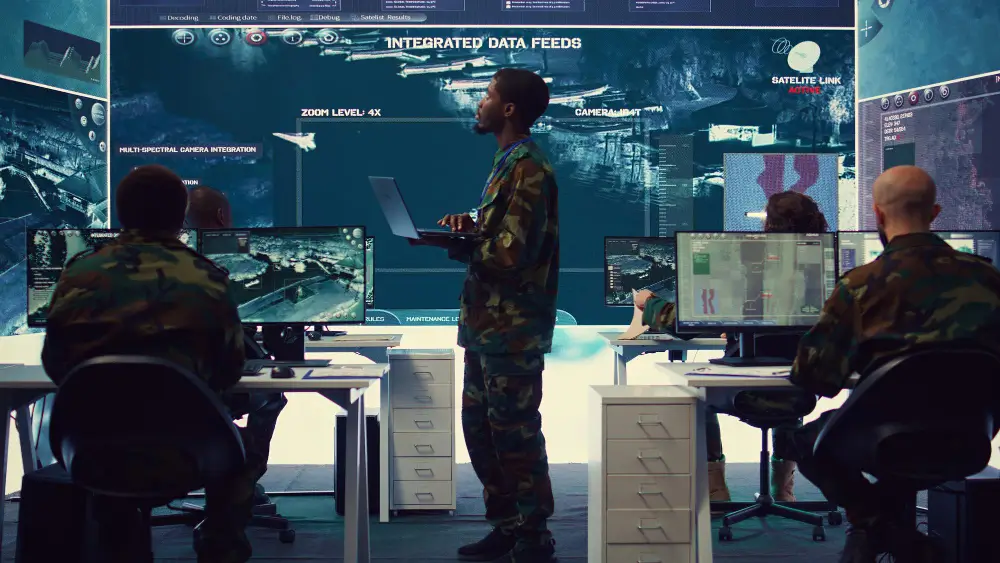
All collected data would be processed through a secure analytics platform accessible to authorized officers through a PC-based command dashboard.
The dashboard provides:
- Real-time soldier performance monitoring
- Alerts for fatigue or injury risk
- Cognitive performance trends
- Training progress analytics
This system functions purely as a decision-support tool, allowing commanders to make more informed training decisions.
Adaptive Testing and Performance Tracking
The system also includes weekly adaptive testing, where assessment difficulty adjusts based on previous results.
For example:
- Leadership simulations become more complex as performance improves
- Decision-making exercises adapt to reaction speed and accuracy
- Stress-response scenarios simulate operational pressure
These adaptive systems help track performance improvement over time.
AI-Based Role Fit Analysis
One of the most valuable features of the system is the AI-based role fit scoring engine.
This engine analyzes multiple data sources including:
- Physical performance metrics
- Cognitive test results
- Behavioral indicators
- Team interaction inputs
Using this data, the system can suggest possible role alignment recommendations, helping commanders better understand which roles soldiers may be most suited for.
Examples may include:
- High endurance → Infantry roles
- Strong technical aptitude → Signals or engineering units
- Strong situational awareness → Reconnaissance or specialized units
Final assignment decisions would always remain with military leadership.
Measuring Pilot Program Results
The pilot program would evaluate outcomes across several measurable categories.
Performance Metrics
- Training evaluation scores
- Shooting accuracy
- Tactical decision-making ability
Efficiency Metrics
- Time required to reach operational readiness
- Retraining requirements
Health Metrics
- Injury frequency
- Recovery times after training
Behavioral Metrics
- Team cohesion indicators
- Leadership potential signals
These results would help determine whether AI-supported training analytics provide measurable benefits.
Technology as a Support Tool for Military Leadership
It is important to emphasize that technology is intended to support existing Army systems, not replace them.
Traditional military values remain unchanged:
- Discipline
- Courage
- Teamwork
- Leadership
Advanced technology simply provides additional data and insights that can help commanders make better-informed decisions.
The Future of Data-Driven Military Training
As military technology evolves, data-driven analytics may play an increasing role in training and personnel development.
Systems combining wearable monitoring, cognitive analytics, and AI-driven insights could potentially help military organizations:
- Improve soldier readiness
- Reduce injuries during training
- Optimize role assignment
- Identify leadership potential earlier
Pilot programs such as this allow defense organizations to evaluate these technologies carefully before considering wider implementation.
Conclusion
The proposed AI-driven soldier optimization pilot represents an opportunity to explore how modern technology can enhance traditional military training methods.
By combining wearable monitoring, cognitive testing, and advanced analytics, the system aims to support better training decisions, improved soldier performance, and stronger operational readiness.
While traditional military training remains the foundation of soldier development, data-driven tools may help shape the next generation of intelligent and highly capable soldiers.