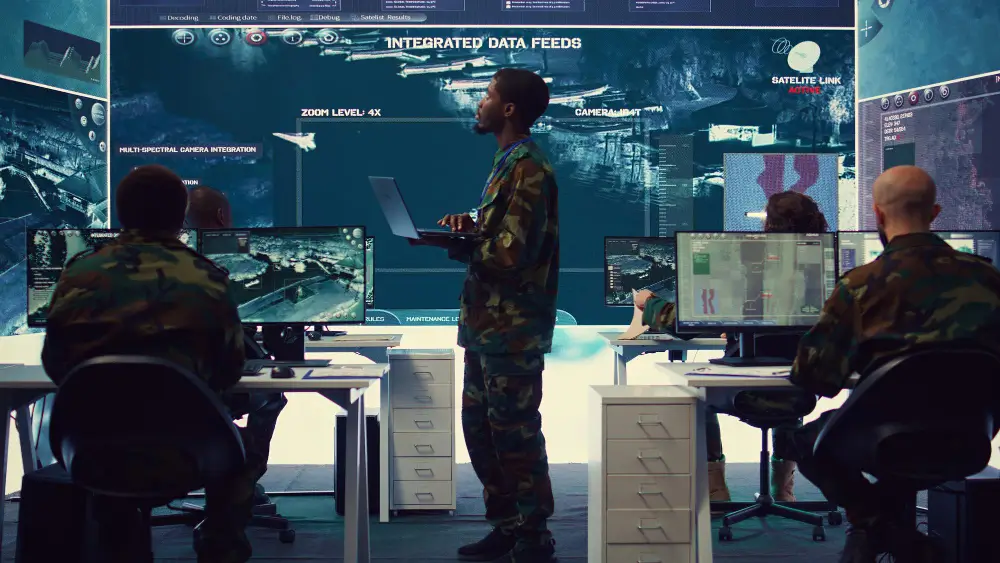

Leadership is one of the most critical elements of military success. From small-unit leaders to senior commanders, military personnel must be able to guide teams, make strategic decisions under pressure, and manage complex operational environments. Developing these leadership capabilities is a continuous process that occurs throughout a service member’s career.
In recent years, data-driven systems and workforce analytics have emerged as powerful tools that can support leadership development across all stages of military service. By analyzing training performance, operational experiences, and behavioral indicators, these systems can help military organizations identify potential leaders, improve training programs, and support more informed career development decisions.
The Importance of Leadership in Military Careers
Military leadership involves much more than command authority. Effective leaders must demonstrate a wide range of skills, including:
- Strategic thinking and planning
- Decision-making under pressure
- Effective communication and teamwork
- Adaptability in complex environments
- Responsibility for mission success and personnel welfare
Because leadership responsibilities increase over time, service members must continuously develop new skills and competencies throughout their careers.
Data-driven systems can provide valuable insights that support this long-term leadership development process.
What Are Data-Driven Leadership Development Systems?
Data-driven systems use analytics and workforce intelligence tools to analyze information about personnel performance and development.
These systems may evaluate data from various sources such as:
- Training evaluations and certification results
- Operational mission performance
- Leadership exercise assessments
- Behavioral and teamwork indicators
- Career progression milestones
By analyzing these data points together, military organizations can gain deeper insights into how service members develop as leaders over time.
Identifying Leadership Potential Early
One of the most valuable benefits of data-driven leadership systems is the ability to identify individuals with strong leadership potential early in their careers.
Performance analytics may highlight individuals who demonstrate characteristics such as:
- Strong decision-making abilities
- Effective communication with team members
- High situational awareness during training exercises
- Strong collaboration and mentoring capabilities
Early identification allows military organizations to provide targeted mentorship and leadership training opportunities.
Improving Leadership Training Programs
Data analytics can also help improve leadership development programs by identifying patterns within training results.
By analyzing performance across different training cohorts, military organizations can determine:
- Which training methods are most effective
- Which leadership skills require additional focus
- How training programs can be improved
These insights allow training institutions to continuously refine leadership development programs.
Supporting Career Development Decisions
Leadership development is closely linked to career progression. Data-driven systems can support decision-making related to promotions, assignments, and career opportunities.
By analyzing long-term performance trends, leadership can gain insights into factors such as:
- Consistency of performance across assignments
- Ability to lead teams during operational missions
- Adaptability to new responsibilities
- Readiness for higher levels of command
These insights help ensure that leadership positions are filled by individuals who are well-prepared for their responsibilities.
Strengthening Team Performance
Effective leadership directly impacts team performance. Data-driven systems can help military organizations understand how individuals influence team dynamics.
Analytics platforms may provide insights into:
- Communication patterns within units
- Leadership effectiveness during group exercises
- Conflict resolution abilities
- Overall team cohesion and morale
Understanding these factors helps commanders build stronger and more effective operational teams.
Supporting Leadership Development Throughout a Career
A military career may span 20 to 30 years and includes several stages of leadership development.
These stages typically include:
- Early leadership roles during initial assignments
- Mid-career leadership in operational units
- Senior leadership responsibilities in command positions
Data-driven insights can help guide leadership development across these stages by tracking performance trends and identifying opportunities for growth.
Ensuring Data Security and Ethical Use
Because data-driven systems rely on sensitive personnel information, maintaining strict security and ethical standards is essential.
Military organizations implementing workforce analytics systems must ensure:
- Secure storage and encryption of personnel data
- Restricted access to authorized personnel
- Compliance with military data protection policies
- Responsible and transparent use of analytics tools
These safeguards help protect sensitive information while maintaining trust within the organization.
The Future of Leadership Development in the Military
As artificial intelligence and workforce analytics technologies continue to evolve, data-driven systems are expected to play an even larger role in leadership development.
Future capabilities may include:
- AI-assisted leadership assessment tools
- Real-time leadership performance dashboards
- Predictive models for leadership readiness
- Integrated analytics across military branches
These innovations will help military organizations develop stronger leaders who are prepared for the challenges of modern defense operations.
Conclusion
Leadership development is a lifelong process in military service. By leveraging data-driven systems and workforce analytics, military organizations can gain valuable insights into personnel performance and leadership potential.
These technologies support better training programs, more informed career decisions, and stronger leadership pipelines. As data analytics continues to evolve, it will play an increasingly important role in shaping leadership development throughout a military career.