
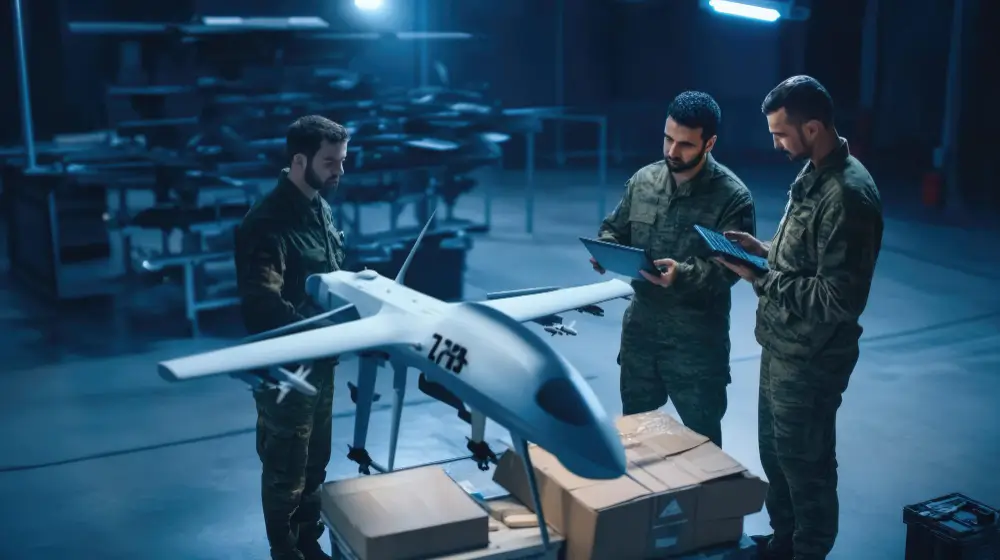
Modern air operations rely heavily on the performance, precision, and decision-making abilities of pilots and aircrew. While aircraft technology continues to evolve with advanced navigation systems, sensors, and automation, the human element remains critical to mission success.
To maintain high levels of safety and operational effectiveness, air forces are increasingly exploring data intelligence and performance analytics to better understand how pilots and aircrew perform under different conditions.
By using data-driven insights, military aviation organizations can improve training programs, enhance operational readiness, and support pilot and aircrew performance optimization.
Understanding Data Intelligence in Military Aviation
Data intelligence refers to the process of collecting, analyzing, and interpreting data to generate meaningful insights that support better decision-making.
In aviation environments, data intelligence systems analyze multiple sources of information related to pilot and aircrew performance, including:
- Flight simulation results
- Training evaluation scores
- Mission performance data
- Cognitive and reaction-time assessments
- Physiological and fatigue indicators
When these data points are combined and analyzed, they provide valuable insights into how pilots and aircrew perform in different operational scenarios.
The Importance of Human Performance in Aviation
Pilots and aircrew operate in highly demanding environments where quick decision-making and situational awareness are essential.
During missions, they must:
- Process complex information quickly
- Maintain situational awareness in rapidly changing environments
- Coordinate with ground teams and other aircraft
- Manage advanced aviation systems
Because of these demands, even small improvements in human performance can significantly enhance mission effectiveness and safety.
Using Data to Understand Pilot Performance
Data intelligence systems can help aviation organizations gain a deeper understanding of pilot performance by analyzing training and operational data.
These insights may reveal patterns such as:
- Decision-making speed in flight simulations
- Accuracy during navigation or targeting exercises
- Response to high-stress situations
- Communication effectiveness within flight teams
By studying these patterns, training institutions can better understand how pilots perform and where improvements may be needed.
Enhancing Training Programs with Data Analytics
One of the most valuable benefits of data intelligence in aviation is the ability to improve training programs.
By analyzing performance trends across training cohorts, instructors can identify areas where pilots may need additional support or development.
Examples include:
- Improving reaction time training
- Enhancing situational awareness exercises
- Strengthening mission planning skills
- Developing advanced decision-making scenarios
These improvements help ensure that pilots and aircrew are fully prepared for operational missions.
Monitoring Fatigue and Physical Readiness
Human performance in aviation is closely linked to physical readiness and fatigue management.
Data intelligence platforms may analyze physiological indicators such as:
- Heart rate and stress levels
- Sleep and recovery patterns
- Workload during missions
- Fatigue trends over time
Monitoring these indicators helps aviation organizations identify potential risks and ensure that pilots remain physically and mentally prepared for flight operations.
Supporting Better Crew Coordination
Air missions often rely on teamwork between pilots, co-pilots, and other aircrew members.
Data intelligence systems can provide insights into crew coordination and communication patterns, helping training teams evaluate how effectively crews operate together.
By analyzing these patterns, aviation units can:
- Improve team training exercises
- Enhance communication protocols
- Build stronger operational teams
Effective crew coordination is essential for maintaining safe and successful missions.
Identifying High-Potential Aviation Leaders
Another advantage of data-driven performance analysis is the ability to identify pilots who demonstrate strong leadership potential.
Performance analytics may highlight individuals who show:
- Strong decision-making abilities
- Calm responses under pressure
- Effective communication skills
- Strategic thinking during missions
These insights can support leadership development programs within the Air Force or naval aviation communities.
Ensuring Data Security and Ethical Use
Because aviation performance systems rely on sensitive operational and personnel data, maintaining strong security protocols is essential.
Organizations implementing data intelligence systems must ensure:
- Secure data storage and encryption
- Controlled access for authorized personnel
- Compliance with military data protection policies
- Ethical use of performance analytics
These safeguards help maintain trust and protect sensitive information.
The Future of Data-Driven Aviation Performance
As artificial intelligence and analytics technologies continue to advance, data intelligence is expected to play an increasingly important role in aviation performance optimization.
Future aviation workforce systems may include:
- Real-time performance monitoring dashboards
- AI-assisted training recommendations
- Predictive models for pilot readiness
- Integrated analytics across aviation units
These innovations will allow aviation organizations to better understand human performance and improve mission outcomes.
Conclusion
Pilots and aircrew are among the most critical assets in modern air operations. By leveraging data intelligence and performance analytics, military aviation organizations can gain deeper insights into how personnel perform and how to support their development.
Through improved training programs, fatigue monitoring, and team coordination insights, data-driven systems can enhance pilot and aircrew performance optimization, strengthen operational readiness, and contribute to safer and more effective air missions.