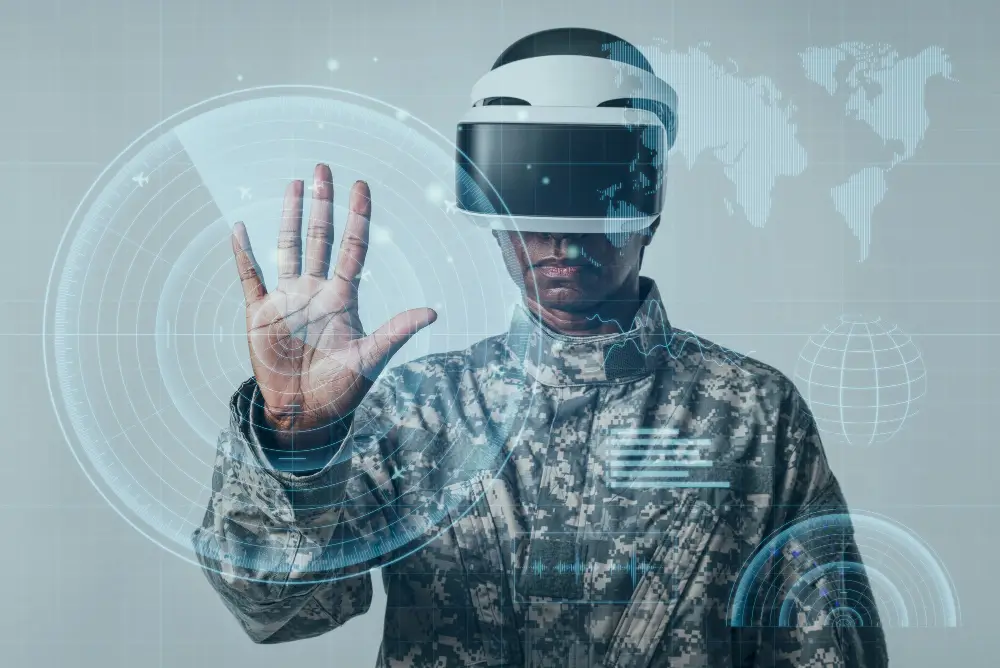
Modern military organizations operate in increasingly complex environments where mission success depends not only on advanced technology but also on the right people in the right roles at the right time. Traditional personnel management methods often rely on manual assessments, limited data, and static career paths.
Today, AI-powered army talent optimization is transforming how military organizations manage their workforce. By combining artificial intelligence, predictive analytics, and human performance data, the Army can better align soldiers’ skills, abilities, and potential with mission requirements.
Understanding Army Talent Optimization
Army talent optimization refers to the strategic use of data and advanced analytics to match military personnel with roles where they can perform at their highest potential.
Instead of relying solely on traditional evaluation systems, modern army talent management systems use AI to analyze multiple data sources such as:
- Performance records
- Training outcomes
- Cognitive and behavioral traits
- Physical readiness metrics
- Leadership potential indicators
This data-driven approach enables the Army to make smarter decisions about recruitment, training, deployment, and leadership development.
The Role of AI in Army Workforce Management
Artificial intelligence is revolutionizing how organizations analyze complex datasets. In the context of AI in the Army workforce, machine learning algorithms can identify patterns and insights that human analysis alone might miss.
Key capabilities include:
1. Intelligent Talent Matching
AI systems analyze soldiers’ skills, experience, and performance data to determine the best roles for each individual. This ensures personnel are placed where they can contribute most effectively.
2. Predictive Workforce Planning
Using predictive analytics in the Army, leadership can forecast workforce needs, identify talent gaps, and plan future training or recruitment strategies.
3. Performance Prediction
AI models can estimate how individuals may perform in certain roles based on historical performance patterns and behavioral indicators.
4. Continuous Talent Monitoring
Advanced analytics platforms can track changes in performance, readiness, and leadership potential over time, enabling more proactive talent management.
Benefits of AI-Driven Army Talent Management Systems
Implementing an AI-based army talent management system can bring significant advantages to military organizations.
Improved Mission Readiness
When soldiers are assigned roles aligned with their strengths, operational units become more effective and responsive.
Better Leadership Development
AI tools can identify individuals with strong leadership potential early in their careers, allowing targeted training and mentoring.
Faster Decision-Making
Data-driven insights help commanders make faster and more accurate personnel decisions.
Reduced Workforce Mismatch
Traditional placement systems may sometimes assign personnel to roles that do not fully utilize their abilities. AI helps reduce this mismatch.
Predictive Analytics in the Army
Predictive analytics in the Army enables leadership to anticipate future outcomes using historical data and machine learning models.
Examples include:
- Predicting training success rates
- Identifying high-potential leaders
- Forecasting workforce shortages
- Evaluating readiness levels across units
By analyzing these insights, commanders can make proactive adjustments to staffing, training programs, and mission planning.
Enhancing Soldier Performance Through Data
Human performance is influenced by multiple factors including cognitive ability, physical readiness, stress tolerance, and leadership traits. AI-powered systems can integrate these data points to create a more comprehensive view of each soldier.
With this approach, the Army can:
- Monitor performance trends
- Identify training needs
- Improve career development planning
- Support long-term workforce readiness
This data-driven strategy helps ensure that each soldier is positioned to succeed while contributing to overall mission effectiveness.
The Future of Army Talent Optimization
As technology continues to evolve, the future of army talent optimization will likely include deeper integration of AI, biometric data, and advanced analytics platforms.
Potential developments include:
- Real-time performance monitoring systems
- AI-guided career path planning
- Predictive promotion and leadership development models
- Integrated talent intelligence platforms across military branches
These innovations will allow military organizations to build a more agile, capable, and mission-ready workforce.
Conclusion
AI-powered army talent optimization represents a major step forward in modern military workforce management. By leveraging artificial intelligence, predictive analytics, and advanced data insights, the Army can better understand its personnel and deploy talent more effectively.
As defense organizations continue adopting AI-driven systems, the ability to match soldiers with the right opportunities will not only enhance individual performance but also strengthen overall mission readiness and operational success.